
- Where can I source architectural concrete panels in Australia?
Specialty Precast is a leading Australian supplier of architectural precast products. From our Brisbane facility, we manufacture and deliver panels nationwide—perfect for any business or government firm seeking innovative, modern design solutions
- What is architectural precast concrete?
Architectural precast concrete refers to precast elements that are both structural and decorative. Specialty Precast manufactures architectural precast concrete panels, precast architectural concrete components and custom forms that meet specific aesthetic, structural and design requirements. These products can be produced in almost any size, shape, colour or texture.
- What types of architectural precast concrete products do Specialty Precast offer?
Specialty Precast supplies a wide range of architectural precast concrete products, including architectural concrete panels, custom precast wall panels, decorative precast concrete, concrete signage, concrete seating, precast light pole bases, precast boat ramps and civil precast elements. All products can be designed to match an architect’s aesthetic intent.
- What are architectural precast concrete panels used for?
Architectural precast concrete panels are used for building facades, feature walls, commercial buildings, walkways, street furniture and council projects. Specialty Precast’s architectural precast concrete panels combine visual appeal with long-term durability, making them ideal for precast concrete architecture across commercial, residential and public infrastructure projects.
- How customisable are architectural concrete precast products?
Architectural concrete precast products are highly customisable. Specialty Precast can adjust colours, aggregates, textures, finishes, panel sizes, shapes, reveal lines and mould designs. Decorative precast concrete options include exposed aggregate, sandblasted surfaces, acid-etched textures, polished concrete, and custom mould patterns.
- What finishes are available for architectural concrete panels?
Specialty Precast offers a wide range of finishes for architectural concrete panels. These include polished finishes, exposed aggregate, honed surfaces, sandblasted textures, decorative mould patterns, colour-pigmented mixes and custom aggregates such as crushed glass, quartzite or river stone. These finishes can match almost any architectural design.
- What is the difference between structural precast and architectural precast?
Structural precast focuses primarily on load-bearing performance, while architectural precast focuses on appearance, texture, colour and finish quality. Specialty Precast produces both structural and architectural concrete products, but the architectural range is designed to meet high aesthetic standards while remaining durable and functional.
- Do you manufacture decorative precast concrete for feature elements?
Yes. Specialty Precast manufactures decorative precast concrete for steps, features, signage, seating, facades and landscape architecture. Decorative finishes can be created through specialised moulds, surface treatments and custom aggregate selections.
- Can architectural precast concrete be used for outdoor projects?
Absolutely. Architectural precast concrete is highly durable, weather-resistant and low-maintenance, making it ideal for outdoor applications such as pathways, seating, retaining walls, signage, boat ramps and public infrastructure. Specialty Precast has delivered outdoor architectural concrete products for councils and government agencies across Australia.
- Is precast concrete architecture cost-effective?
Yes. Precast concrete architecture is cost-effective because elements are made in a controlled factory environment, allowing for consistent quality, reduced labour costs, reusable moulds and faster installation on site. Specialty Precast’s process ensures minimal delays and dependable delivery schedules.
- Do you create custom architectural concrete products for designers and architects?
Yes. Specialty Precast specialises in custom architectural concrete products. Their team can work with architects and designers during the early stages of planning to ensure the final precast elements match the required design intent, size, colour, finish and structural requirements.
- Do you supply architectural precast concrete Australia-wide?
Yes. Specialty Precast supplies architectural precast concrete panels and products across Australia and has worked with developers, councils, construction companies and government departments nationwide. Delivery and logistics can be arranged for projects of all scales.
The Architect’s Guide To Concrete Surfaces
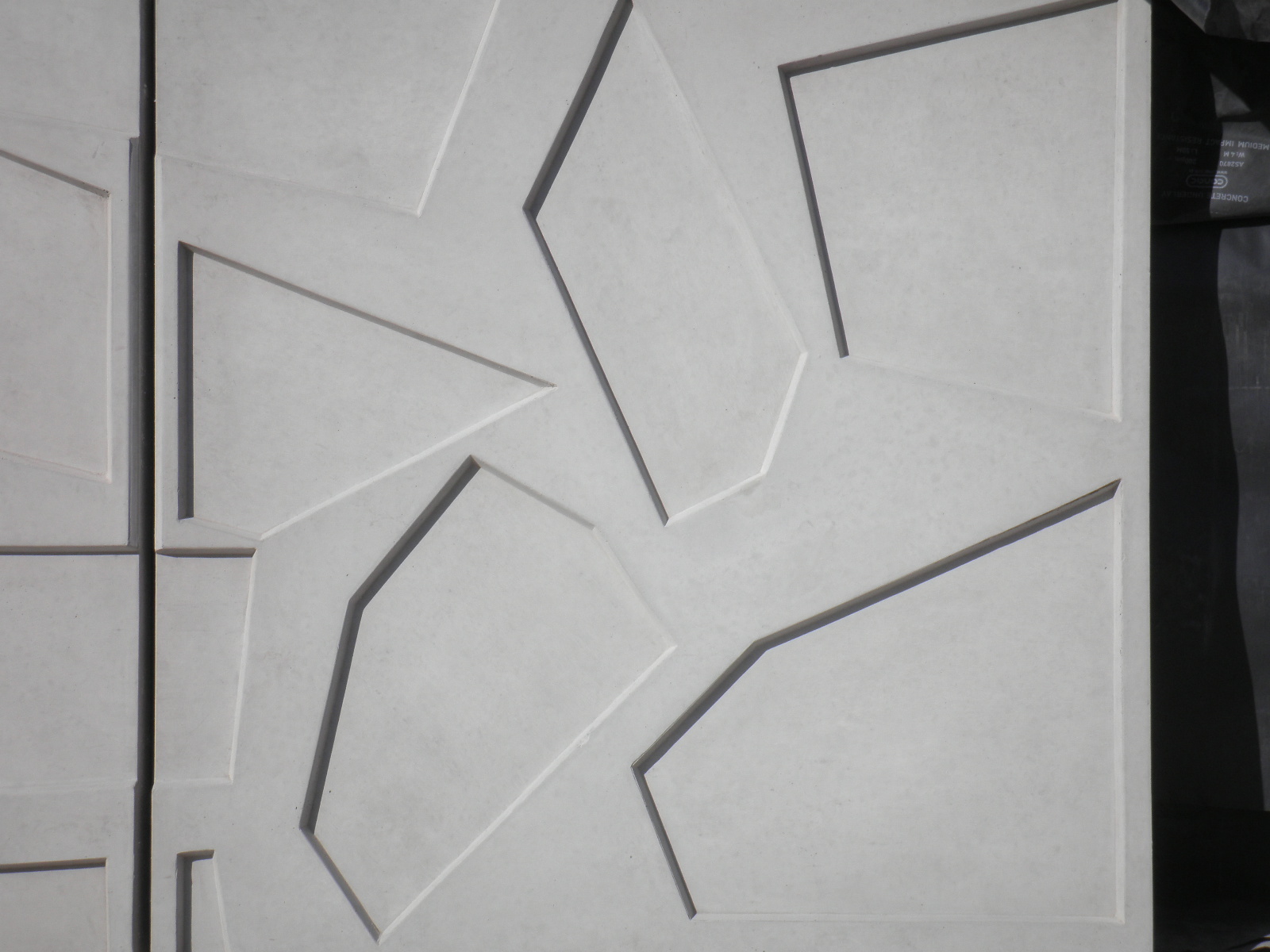
Concrete has been at the core of architecture for approximately 200 years. Think concrete as a paste - composed of Portland cement, water and aggregate. Via a chemical process called hydration, the paste hardens around the aggregate to form the solid rock-like material known as concrete.
One of the most notable qualities of concrete is that it is moldable when just mixed but solid and durable once hardened. This means that it can be used in almost any way, moulded to meet nearly every shape that an architect can design.
At Specialty Precast, we work on a broad range of concrete applications, not just architectural precast concrete, including:
- Concrete signage
- Precast concrete panels
- Concrete seating
- Civil precast concrete
- Concrete boat ramps
- Concrete for light pole bases and safety barriers
Despite their different functions and aesthetics, many of these applications follow a similar manufacturing process.
Concrete Surfaces
There’s a lot of flexibility in terms of working with precast concrete. Ideally, architects, engineers and designers should reach out to us at the beginning stages of a project. Once it’s planned out and manufactured, it’s pretty quick to install.
Precast Concrete: Precast concrete is produced by casting concrete into a mould, which is then cured in a controlled environment. Once it is set, it is transported to the required location site and lifted into place. This process allows us to create precisely engineered custom made components, as well as large batches of standardised elements, such as the precast concrete panels we manufacture.
The precast production process offers better quality control than onsite casting. Lower construction and labour costs can be lower as concrete moulds can be reused.
Colour: There are many standard precast colours available, creating virtually endless design possibilities. If an architect is looking for a custom colour, they should provide a photo or colour sample.
Formwork: The mould is made from several common materials, including timber boards, plywood, metals, plastics, foams and fabric. Different mould materials allow for different types of concrete surface finishes. Plywood can be used to produce grainy concrete surface finishes on the concrete panels. Different types of wooden moulds result in different textures; some have extremely prominent grains, whilst others are much more subtle.
Seams and Joints: When more than two or more concrete slabs are placed against each other, there will likely be a visible seam. These seams can either be accentuated or concealed. This all depends on the look that the designer wants to achieve. GFRC may allow you to get rid of seams altogether.
Surface Processing: Once the concrete has cured, it is possible to change the appearance of its surface via several processes, including polishing, grinding, and honing. These procedures will give concrete a smooth sheen and expose the aggregate. For rougher appearances, concrete can be sandblasted after curing or washed during the curing process.
Aggregate: Aggregates of different types and sizes can be specified to alter the appearance of surface-processed concrete. Some commonly used aggregates include decorative stones such as quartzite, rounded river stones and crushed glass.
Translucency: Embedded fibre-optic filaments can help conduct light through the cast concrete to create visible patterns on the surface.
Performance
Sealants: There are many different chemical sealants available. These help to help protect concrete from staining, corrosion or surface damage. Sealants are specially tailored to a variety of both interior and exterior uses. It is essential to discuss which sealant to use and mention whether the concrete surface will be exposed to extreme moisture or freezing cold temperatures.
Maintenance: Similar to other materials such as wood and natural stone, concrete is porous and requires sealers to protect the material against staining and water absorption. Once it is sealed and installed, the concrete surfaces can be easily maintained by washing them with non-abrasive soaps and water. Periodic waxing also helps to maintain the concrete surface finishes.
Contact Specialty Precast About Precast Concrete
To learn more about what Specialty Precast can offer you, get in touch with us today.
To book a meeting, call us today on (07) 3265 6626, or drop us an email at info@specialtyprecast.com.au. Alternatively, use the enquiry form can be found on our contact us form.
Get in touch with us and talk to us about our many happy architectural clients. We can let you know more about the projects we have completed for them.
