
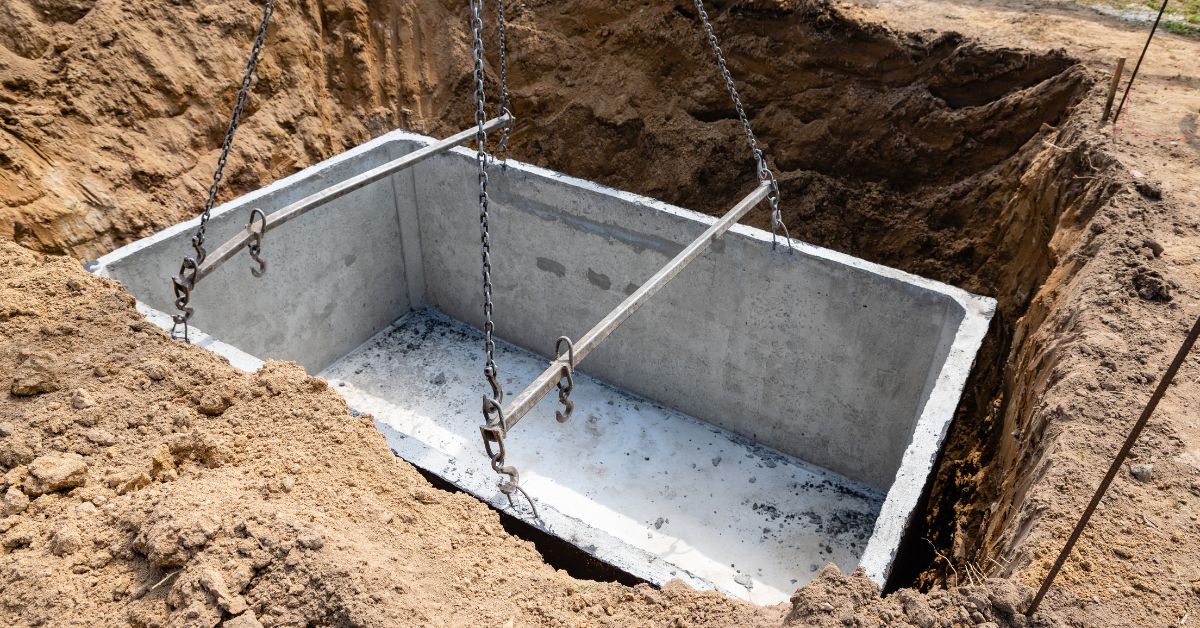
Rainwater harvesting is a sustainable way to reduce reliance on mains water, lower utility bills, and ensure a ready supply for garden irrigation, toilet flushing, or emergency reserves. Yet choosing the right tank is crucial. Precast concrete tanks stand out for their robustness, temperature stability, and resistance to algae growth, making them an excellent choice for homeowners and businesses keen on a reliable, long-lasting water storage solution. Below, we’ll outline the advantages of precast concrete for rainwater harvesting, review tank options, and walk you through setting up and maintaining a rainwater collection system.
Why Use Precast Concrete Tanks for Rainwater Storage
- Durability and Strength
- Reinforced Concrete: Precast tanks are factory-produced to high standards, featuring steel reinforcement for structural stability. They’re less prone to cracking or deformation under large volumes of water.
- Weather Resistance: Concrete tanks endure extreme temperatures and UV exposure better than some plastic alternatives, preserving structural integrity over decades.
- Algae and Bacterial Control
- Opaque Material: Light struggles to penetrate concrete, reducing the possibility of algae blooms that can occur in translucent or lightly coloured plastic tanks.
- Low Reactivity: Concrete is chemically inert in typical conditions, minimizing contamination risks.
- Temperature Stability
- Insulating Properties: Concrete’s thermal mass helps moderate water temperatures, which can be beneficial if you plan to water sensitive plants or use the supply for livestock.
- Reduced Evaporation: With a secure lid and thick walls, water loss through evaporation is minimized.
- Ease of Maintenance
- No Rust or Corrosion: While metal tanks may rust, precast concrete stands up against corrosion for decades.
- Simple Cleaning: Periodic rinsing and sediment removal keep water quality high without specialized treatments.
Types of Precast Concrete Tanks for Rainwater Harvesting
- Above-Ground Tanks
- Advantages: Simple installation—often just a stable, level base. Easy to access for cleaning and inspection.
- Considerations: Space requirements; the tank’s footprint must fit in an accessible, flat area of your property.
- Below-Ground Tanks
- Advantages: Concealed underground, saving yard space and preserving aesthetics. The surrounding soil helps keep water cool.
- Considerations: Excavation and installation costs can be higher. Adequate drainage and venting are essential to prevent flooding around the tank.
- Modular or Custom Designs
- Advantages: Modular systems can be expanded if demand for rainwater rises. Custom shapes allow better fit on odd-shaped lots.
- Considerations: Sourcing a reputable precast manufacturer with design flexibility is crucial for unusual shapes or large capacities.
Steps to Set Up a Rainwater Harvesting System with Precast Tanks
- Plan Your Catchment
- Gutter and Downpipe Assessment: Ensure gutters are in good condition and free of debris. Fit gutter guards if necessary to prevent leaves from clogging pipes.
- Roof Compatibility: Most roofing materials—like tile, steel, or Colorbond—are suitable for rainwater collection. Avoid surfaces treated with toxic chemicals.
- Filtration and First-Flush Diverters
- Leaf Screens: Installing a leaf screen or mesh filter at the top of the downpipe intercepts large debris.
- First-Flush System: A diverter can discard the initial runoff, which often contains dust, bird droppings, or other contaminants, before directing cleaner water into the tank.
- Choosing and Positioning the Concrete Tank
- Access for Delivery: Precast tanks typically arrive in one solid piece. Confirm that trucks or cranes can safely position the tank.
- Foundation Prep: A level, stable foundation—compacted gravel or a concrete pad—prevents tank shifting or settlement over time.
- Connection Points: Route downpipes into the tank’s inlet. For below-ground tanks, ensure drainage is installed around the excavation to prevent groundwater pressure issues.
- Overflow and Outlets
- Overflow Pipe: Excess water should safely run off to a drainage point or infiltration area.
- Outlet: Where you draw water from—commonly near the tank’s bottom—needs a shut-off valve and possibly a pump if you plan to water gardens or connect to your home’s plumbing.
- Safety and Final Checks
- Secure Lids: Tank covers should be childproof and vented to prevent pressure buildup.
- Testing: After installation, let the first rainfall flow through the system. Monitor for any leaks, floods, or unusual odours.
Maintenance and Longevity of Precast Concrete Water Tanks
- Regular Inspections
- Check for Cracks: Though concrete tanks are robust, large settling shifts or tree roots might stress the walls over many years.
- Lid Integrity: Ensure the cover remains watertight, preventing pests or debris from entering.
- Cleaning Sediment
- Periodic Draining: Every few years, partially or fully drain the tank to remove sludge buildup at the base.
- Gentle Washing: Lightly scrub interior walls if algae or residue accumulates—though with a dark interior, algae risk is low.
- Monitoring Water Quality
- Water Testing: If using rainwater for drinking, routine water checks can confirm safety. If purely for irrigation or cleaning, this may be less critical.
- Using Proper Pumps and Filters
- Extend Equipment Life: Sediment filters at the pump intake can keep lines clear, ensuring the system runs smoothly and extends pump life.
Precast concrete tanks provide stability, durability, and excellent water quality for homeowners and businesses hoping to harvest rainwater efficiently. By combining robust tank construction with proper gutter filtration, overflow controls, and maintenance routines, you can enjoy a safe, eco-friendly water supply year-round. Whether you install an above-ground or below-ground tank, investing in a reliable setup ensures decades of cost-effective, environmentally conscious water storage for gardens, livestock, or even household use.
