Across Australia, infrastructure projects demand solutions that deliver speed, durability, and consistency. From major transport upgrades to drainage systems and public assets, civil precast concrete uses have become a core part of modern construction. By shifting production off site into controlled environments, project teams gain better quality control and faster installation without compromising long term performance.
Understanding civil precast concrete components
Civil precast concrete components are manufactured off site and delivered ready for installation. These elements are designed to meet strict engineering and compliance requirements, particularly for infrastructure exposed to heavy loads and harsh environmental conditions.
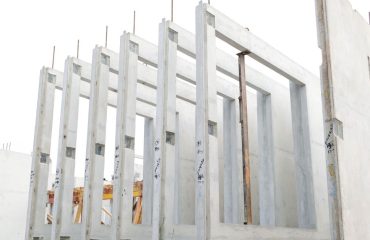
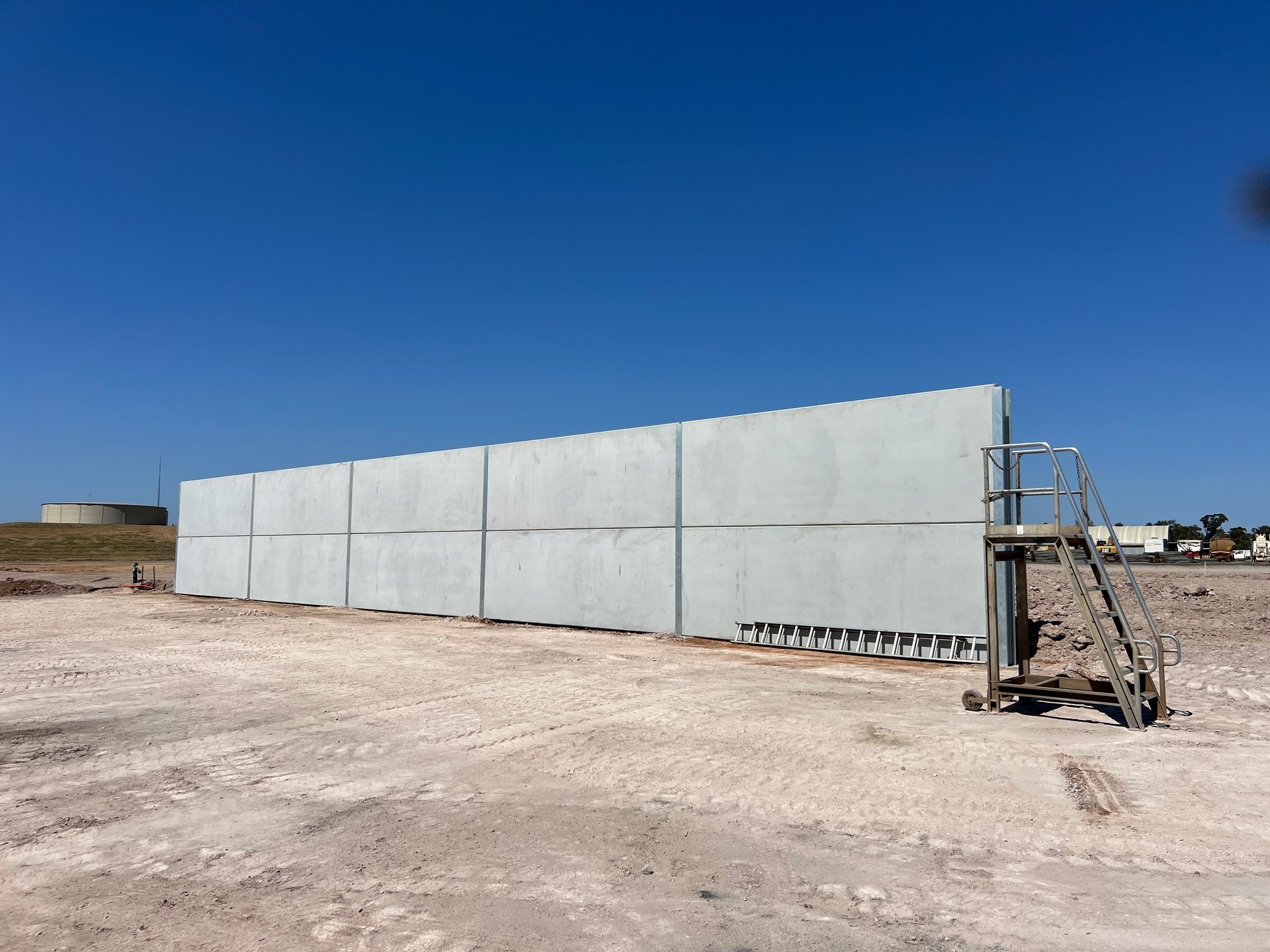
Common components include bridge beams, traffic barriers, box culverts, retaining walls, service pits, and marine structures. Each unit is formed in reusable moulds with reinforcement already in place, then cured under controlled conditions to achieve consistent strength and finish. Once completed, the components are transported to site and installed using lifting equipment.
This approach differs from traditional in situ concrete, where weather, access, and site conditions can affect quality and timing. Precast production removes many of these variables, allowing for predictable outcomes across large scale projects.
Applications across Australian infrastructure
Civil precast concrete uses span a wide range of infrastructure sectors. In road and transport projects, precast barriers improve safety while allowing rapid installation during tight construction windows. Bridge construction often relies on precast girders and deck units, which can be installed quickly to reduce traffic disruption.
Drainage systems also depend heavily on precast solutions. Box culverts, pits, and stormwater structures are commonly used in subdivisions and roadworks to manage water flow efficiently. These components are designed for durability and ease of installation, helping projects stay on schedule.
Rail infrastructure incorporates precast elements such as sleepers, platform units, and crossing panels. These components support heavy loads while maintaining alignment and stability over time. Their use allows upgrades and maintenance to be completed with minimal disruption to services.
Marine and coastal projects benefit from the strength and weight of precast concrete. Seawalls, boat ramps, and protective structures are built to withstand tidal movement, salt exposure, and continuous use. Precast units provide a reliable solution for these demanding environments.
Utility infrastructure is another major area of application. Precast pits, vaults, and access structures protect electrical and communication systems while allowing safe maintenance access. These elements are widely used in both urban developments and large infrastructure projects.
Why precast concrete is widely used
The growing use of precast concrete in civil projects is driven by several practical advantages. Quality control is one of the most significant. Manufacturing in a controlled environment ensures consistent material performance, accurate dimensions, and reliable curing conditions. This level of precision is difficult to achieve on site.
Speed of construction is another key factor. While components are being manufactured, site preparation can proceed in parallel. Once delivered, installation is rapid, reducing overall project timelines and limiting disruption to surrounding areas.
Durability also plays a major role. Precast concrete is designed to withstand Australia’s varied climate conditions, including heat, moisture, and coastal exposure. This results in longer service life and reduced maintenance requirements, supporting better long term value for infrastructure assets.
Design flexibility allows precast components to be tailored to specific project requirements. Custom shapes, integrated fittings, and specialised finishes can be incorporated during manufacturing, enabling solutions that fit complex site conditions without additional on site modification.
Supporting efficient and reliable project delivery
Civil precast concrete uses continue to expand as project teams seek more efficient ways to deliver infrastructure. The ability to combine consistent quality, faster installation, and long term durability makes precast a practical choice across multiple sectors.
For engineers, contractors, and asset owners, adopting precast solutions helps reduce risk, improve scheduling, and achieve reliable outcomes. As infrastructure demands grow across Australia, precast concrete remains a key method for delivering projects that meet both performance and program expectations.