
Sustainable Precast Concrete: A Practical Approach to Lower Carbon Construction

Concrete plays a central role in construction, yet its environmental impact is under increasing scrutiny. Projects across Australia now face pressure to reduce emissions while maintaining performance and durability. Sustainable precast concrete offers a practical way to meet these expectations without compromising structural requirements.
Precast concrete is produced in a controlled factory setting rather than poured on site. This shift allows for greater precision, reduced waste, and improved quality. It also supports more efficient use of materials, making it a strong option for projects aiming to reduce their environmental footprint.
What Makes Precast Concrete a Sustainable Choice
Factory production improves resource management. Materials are measured accurately, reducing excess use and limiting waste. Reusable moulds replace temporary formwork, which reduces the amount of material discarded during construction. This approach supports consistent quality while minimising environmental impact.
Water use is also better controlled. Closed systems allow water to be reused within the production process, reducing overall consumption. Additives can improve workability, which further reduces the need for excess water while maintaining strength.
Durability is another key factor. Precast elements are designed to perform over long periods with minimal maintenance. This reduces the need for replacement and lowers the overall impact of the structure throughout its lifespan.
Reducing Environmental Impact Across the Lifecycle
Sustainable precast concrete addresses environmental impact at multiple stages. During production, alternative materials can replace a portion of traditional cement. These materials often have a lower carbon footprint while maintaining structural performance.
Operational performance is equally important. Precast concrete has high thermal mass, which helps regulate internal temperatures. This can reduce the need for heating and cooling, lowering energy use over time. Buildings that maintain stable temperatures require less mechanical intervention, improving efficiency.
End of life considerations also contribute to sustainability. Precast elements can often be reused or recycled. When reuse is not possible, materials can be processed and incorporated into new construction, reducing waste and supporting a more circular approach.
Supporting Modern Building Standards
Sustainable construction requires measurable performance. Precast concrete supports this by providing consistent data on material composition and environmental impact. This information helps projects meet certification requirements and demonstrate compliance with industry standards.
Energy efficiency is a major focus in modern building design. Precast systems contribute by improving insulation and reducing energy demand. This supports better performance ratings and aligns with broader sustainability goals.
In infrastructure and large scale developments, material efficiency is increasingly important. Using precast elements reduces on site waste and shortens construction time. This not only lowers environmental impact but also improves project efficiency.
Long Term Benefits for Construction Projects
Choosing sustainable precast concrete supports both environmental and practical outcomes. Reduced waste, improved durability, and efficient production all contribute to better performance over time. These benefits extend beyond the construction phase, influencing maintenance and operational costs.
A well designed precast system can adapt to future needs. Elements can be modified or reused, allowing buildings to evolve without significant material loss. This flexibility supports long term sustainability and reduces the need for complete redevelopment.
Consistency in production also improves reliability. Each component is manufactured to the same standard, reducing variation and ensuring predictable results. This level of control supports both structural integrity and environmental performance.
By combining efficient manufacturing with long lasting materials, sustainable precast concrete provides a balanced approach to modern construction. It allows projects to meet environmental targets while maintaining the strength and reliability expected in Australian conditions.
- Published in Precast Concrete
Concrete Boat Ramp Design: Key Factors for Safe and Durable Marine Construction
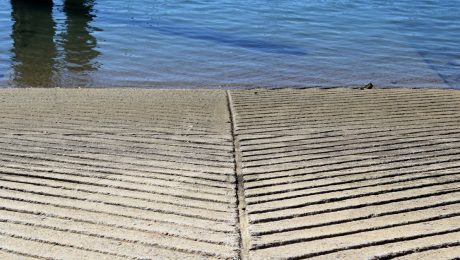
Concrete boat ramps must perform under constant exposure to water, changing tides, and heavy vehicle loads. Small design errors can quickly lead to safety risks, reduced traction, and structural damage. Achieving long term performance depends on aligning geometry, materials, and construction methods from the outset.
Marine environments place unique demands on infrastructure. Tidal variation affects how ramps are used throughout the day, while exposure to saltwater increases the risk of deterioration. Careful planning ensures that ramps remain functional, safe, and durable under these conditions.
Designing for Slope and Tidal Conditions
Ramp gradient is one of the most critical design elements. The slope must allow vehicles and trailers to launch and retrieve boats safely without losing traction or entering the water too deeply. A balanced gradient supports both safety and usability across different conditions.
Tidal levels influence the overall length and positioning of the ramp. The lower section must extend far enough to remain usable at low tide, while the upper section must remain accessible during high tide. Accurate data is essential to ensure that the ramp performs effectively across the full tidal range.
Width also plays an important role. Adequate space allows vehicles to manoeuvre safely and reduces the risk of misalignment during use. Ensuring that the ramp accommodates different vessel sizes improves accessibility and overall efficiency.
Selecting Durable Materials for Marine Exposure
Material selection directly affects the lifespan of a boat ramp. Concrete used in marine environments must resist water penetration and chemical exposure. High strength mixes with low permeability help protect the structure from long term damage.
Reinforcement must also be carefully considered. Exposure to saltwater can accelerate corrosion, which weakens structural elements over time. Using materials designed for harsh conditions improves durability and reduces maintenance requirements.
Protective detailing enhances performance. Adequate cover over reinforcement and careful placement within the structure help minimise exposure to damaging elements. These measures support the long term integrity of the ramp.
Benefits of Precast Construction Methods
Precast construction offers advantages in both quality and efficiency. Elements are manufactured in controlled environments, allowing for consistent results and reduced variability. This approach improves overall structural performance and reduces the risk of defects.
Installation is typically faster compared to traditional methods. Precast elements can be placed efficiently, reducing the time required on site. This is particularly beneficial in marine settings where working conditions may be limited by tides and weather.
Quality control is also enhanced. Each component is produced to meet specific standards, ensuring that the final structure performs as intended. This level of consistency supports durability and reduces the need for future repairs.
Improving Safety Through Surface Design and Stability
Surface traction is essential for safe operation. Wet conditions can reduce grip, making it difficult for vehicles to maintain control. Textured surfaces improve traction and reduce the likelihood of slipping during use.
Stability at the base of the ramp is equally important. Water movement can erode supporting material, leading to structural instability. Proper foundation design helps prevent this, ensuring that the ramp remains secure over time.
Ongoing performance depends on maintaining these features. Regular inspections and maintenance help identify potential issues early, allowing for timely intervention and reducing long term costs.
Creating Reliable Infrastructure for Marine Environments
Successful boat ramp design requires a comprehensive approach. Each element must work together to support safety, durability, and usability. Considering environmental conditions, material performance, and construction methods ensures that the final structure meets these requirements.
A well designed ramp supports consistent use over many years. By focusing on key factors such as gradient, materials, and stability, it is possible to create infrastructure that performs reliably in demanding marine environments.
- Published in Precast Concrete
Precast Concrete Seating for Australian Public Spaces

Public spaces across Australia place constant demands on infrastructure, and seating is one of the most heavily used elements. Parks, waterfronts, plazas and stadiums require solutions that balance durability, appearance and long term cost. Precast concrete seating has become a reliable choice for councils, architects and developers looking to meet these demands without ongoing maintenance issues.
Why precast concrete seating suits high traffic environments
Precast concrete seating is manufactured in a controlled factory setting, which allows for consistent quality, strength and finish. Unlike on site concrete pours, where weather and site conditions can affect results, precast production ensures each unit meets design specifications before it reaches the project.
Australian conditions place significant stress on outdoor materials. High UV exposure, heavy rain, humidity and coastal salt all contribute to wear over time. Precast concrete seating is well suited to these environments because it does not rot, warp or corrode. Its density and strength allow it to withstand long term exposure without significant degradation.
Vandal resistance is another key advantage. The weight and solid construction of precast units make them difficult to move or damage. This reduces replacement costs and helps maintain the appearance of public spaces over time. For asset owners managing large networks of parks or facilities, this durability supports more predictable maintenance planning.
Maintenance requirements are minimal compared to other materials. Timber seating often requires regular treatment and repair, while metal components may need repainting or corrosion control. Precast concrete seating generally requires only periodic cleaning, making it a practical choice for long term asset management.
Design flexibility in modern precast seating
Modern precast concrete seating offers a high level of design flexibility, allowing it to integrate seamlessly into a wide range of public environments. Because each unit is formed in a mould, designers can create shapes that go beyond simple rectangular benches.
Curved seating, stepped platforms and sculptural forms can be produced to suit specific site layouts. This flexibility allows seating to follow pathways, define gathering areas or form part of larger landscape features. Repeating modules can create visual consistency across a project, while custom designs can highlight key areas within a space.
Colour and finish options further expand design possibilities. Pigments can be added to the concrete mix, ensuring colour consistency throughout the entire unit rather than relying on surface coatings. Finishes such as exposed aggregate, polished surfaces or textured treatments allow designers to match surrounding materials and improve slip resistance where needed.
Precast seating can also incorporate additional features. Integrated planters, lighting channels and service conduits can be built into the design, reducing the need for separate elements. This approach helps create cohesive spaces where seating contributes to both function and visual appeal.
Applications across Australian public projects
Precast concrete seating is widely used across different types of public and commercial projects. In parks and open spaces, it provides durable seating that can withstand weather and constant use. Units can be placed along pathways, around play areas or within landscaped zones without requiring frequent upkeep.
In urban environments, precast seating is often integrated into streetscapes and plazas. Its solid form allows it to serve both as seating and as a subtle barrier in high traffic areas. This dual function supports safety while maintaining an open and accessible design.
Stadiums and large venues rely on precast components for tiered seating and structural elements. These applications require precise manufacturing and the ability to handle high loads, both of which are well suited to precast production methods.
Educational campuses, transport hubs and commercial developments also benefit from precast seating solutions. These environments require durable, low maintenance infrastructure that can support high daily use. Precast seating provides a consistent solution that aligns with both functional and aesthetic requirements.
A long term solution for public space design
Precast concrete seating offers a practical balance of strength, design flexibility and low maintenance. Its ability to perform reliably in Australian conditions makes it a strong option for projects where longevity and cost control are key priorities.
By selecting precast solutions and working with experienced manufacturers, project teams can deliver seating that supports both immediate design goals and long term asset performance.
- Published in Precast Concrete
Civil Precast Concrete Uses in Australian Projects
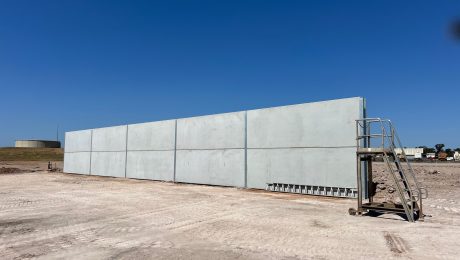
Across Australia, infrastructure projects demand solutions that deliver speed, durability, and consistency. From major transport upgrades to drainage systems and public assets, civil precast concrete uses have become a core part of modern construction. By shifting production off site into controlled environments, project teams gain better quality control and faster installation without compromising long term performance.
Understanding civil precast concrete components
Civil precast concrete components are manufactured off site and delivered ready for installation. These elements are designed to meet strict engineering and compliance requirements, particularly for infrastructure exposed to heavy loads and harsh environmental conditions.
Common components include bridge beams, traffic barriers, box culverts, retaining walls, service pits, and marine structures. Each unit is formed in reusable moulds with reinforcement already in place, then cured under controlled conditions to achieve consistent strength and finish. Once completed, the components are transported to site and installed using lifting equipment.
This approach differs from traditional in situ concrete, where weather, access, and site conditions can affect quality and timing. Precast production removes many of these variables, allowing for predictable outcomes across large scale projects.
Applications across Australian infrastructure
Civil precast concrete uses span a wide range of infrastructure sectors. In road and transport projects, precast barriers improve safety while allowing rapid installation during tight construction windows. Bridge construction often relies on precast girders and deck units, which can be installed quickly to reduce traffic disruption.
Drainage systems also depend heavily on precast solutions. Box culverts, pits, and stormwater structures are commonly used in subdivisions and roadworks to manage water flow efficiently. These components are designed for durability and ease of installation, helping projects stay on schedule.
Rail infrastructure incorporates precast elements such as sleepers, platform units, and crossing panels. These components support heavy loads while maintaining alignment and stability over time. Their use allows upgrades and maintenance to be completed with minimal disruption to services.
Marine and coastal projects benefit from the strength and weight of precast concrete. Seawalls, boat ramps, and protective structures are built to withstand tidal movement, salt exposure, and continuous use. Precast units provide a reliable solution for these demanding environments.
Utility infrastructure is another major area of application. Precast pits, vaults, and access structures protect electrical and communication systems while allowing safe maintenance access. These elements are widely used in both urban developments and large infrastructure projects.
Why precast concrete is widely used
The growing use of precast concrete in civil projects is driven by several practical advantages. Quality control is one of the most significant. Manufacturing in a controlled environment ensures consistent material performance, accurate dimensions, and reliable curing conditions. This level of precision is difficult to achieve on site.
Speed of construction is another key factor. While components are being manufactured, site preparation can proceed in parallel. Once delivered, installation is rapid, reducing overall project timelines and limiting disruption to surrounding areas.
Durability also plays a major role. Precast concrete is designed to withstand Australia’s varied climate conditions, including heat, moisture, and coastal exposure. This results in longer service life and reduced maintenance requirements, supporting better long term value for infrastructure assets.
Design flexibility allows precast components to be tailored to specific project requirements. Custom shapes, integrated fittings, and specialised finishes can be incorporated during manufacturing, enabling solutions that fit complex site conditions without additional on site modification.
Supporting efficient and reliable project delivery
Civil precast concrete uses continue to expand as project teams seek more efficient ways to deliver infrastructure. The ability to combine consistent quality, faster installation, and long term durability makes precast a practical choice across multiple sectors.
For engineers, contractors, and asset owners, adopting precast solutions helps reduce risk, improve scheduling, and achieve reliable outcomes. As infrastructure demands grow across Australia, precast concrete remains a key method for delivering projects that meet both performance and program expectations.
- Published in Precast Concrete
Civil Precast Concrete How It Accelerates Project Timelines

Major road upgrades, rail links, and drainage schemes across Australia often begin with firm delivery dates and public expectations. As work progresses, weather changes, access restrictions, and site conditions can quickly disrupt traditional construction methods. Civil precast concrete has become a practical way to protect project timelines because it removes many of the delays that commonly affect cast in place construction.
Cast in place concrete introduces multiple programme risks. Formwork installation, reinforcement fixing, concrete placement, and curing must all occur in sequence and are heavily dependent on weather and labour availability. When projects are already operating under tight schedules and close scrutiny from councils, government agencies, and the public, these risks are difficult to absorb. Civil precast concrete shifts much of this uncertainty into a controlled factory environment and delivers finished components that are ready for installation as soon as site conditions allow.
Logistical Efficiency That Improves Programme Certainty
Logistics plays a decisive role in whether civil projects remain on schedule. Cast in place works require materials, crews, and equipment to arrive in a precise order, often with little flexibility when conditions change. Civil precast concrete simplifies logistics by allowing manufacturing to occur in parallel with early site works. While foundations, subgrades, and bedding are prepared on site, precast components can be produced, cured, and staged for delivery.
This parallel workflow shortens the overall programme by removing sequential dependencies. Precast units arrive on site fully cured and ready to install, eliminating curing periods that would otherwise delay backfilling, pavement works, or follow on trades. For drainage infrastructure, this can significantly reduce construction time, with runs of pits or culverts installed and jointed in short, predictable cycles.
On site logistics also become more manageable. Scheduled deliveries reduce the need for large laydown areas and limit congestion from formwork, reinforcement, and raw materials. This is particularly valuable on constrained urban corridors and brownfield sites where space is limited and traffic management is complex. Cleaner sites support safer operations and faster crane movements, contributing directly to productivity.
Specialty Precast supports this model through regional manufacturing capability, helping keep transport distances practical and delivery timing reliable across Queensland, New South Wales, Victoria, and South Australia. This structure allows components to be delivered in sequence with construction stages, reducing idle storage and aligning installation with possession windows, road closures, or night works.
Factory Controlled Quality That Reduces Delays
Speed is only valuable when quality remains consistent. Civil precast concrete delivers a significant advantage through factory controlled production conditions. Unlike site pours, precast manufacturing is not exposed to sudden weather changes, inconsistent temperatures, or variable site constraints. This allows tighter control over mix design, curing, and dimensional accuracy.
Consistent reinforcement placement, cover, and joint geometry mean components fit together as intended during installation. This reduces the need for grinding, packing, or remedial works that often delay cast in place construction. Installation crews spend more time placing components and less time correcting tolerances, which keeps work moving and reduces labour exposure.
Quality assurance occurs before delivery rather than under time pressure on site. Strength testing, visual inspection, and dimensional checks are completed within the manufacturing process, with documentation supplied alongside each delivery. This supports faster approvals and reduces the risk of disputes or rework during inspections. Engineers and asset owners gain confidence because performance characteristics are known and traceable.
Controlled curing also contributes to programme certainty. Precast units reach design strength without relying on site conditions, removing delays associated with test results or slow strength gain. This allows follow on works to proceed earlier and with greater confidence, particularly where reinstatement or access reopening is critical.
On Site Installation That Shortens Construction Windows
Once civil precast concrete reaches site, construction shifts from building to assembly. Smaller installation crews focus on lifting, positioning, jointing, and finishing, reducing labour requirements and simplifying supervision. This approach lowers safety exposure by minimising formwork hazards and wet concrete handling.
Immediate load bearing capacity is a major advantage. Precast components can often be backfilled and incorporated into surrounding works sooner, allowing construction stages to overlap and shortening the critical path. This is particularly valuable on projects with tight traffic management constraints or limited access windows.
Civil precast concrete also supports safer and cleaner sites. Reduced on site fabrication lowers noise, dust, and waste generation. Installation activities are more predictable, which assists coordination with traffic management, rail operations, and adjacent stakeholders.
Specialty Precast designs civil precast concrete with installation efficiency in mind, including clear lifting points, practical connection details, and consistent geometry. For custom components, in house design and manufacturing coordination ensures buildability is maintained, allowing even non standard elements to install smoothly without delaying the programme.
Why Civil Precast Concrete Delivers Faster Outcomes
Civil precast concrete accelerates project timelines by improving logistics, strengthening quality control, and simplifying on site execution. Off site manufacturing reduces exposure to weather and curing delays, factory assurance supports faster approvals, and ready to install components allow work to progress within shorter construction windows. With more than four decades of experience and a strong delivery record, Specialty Precast provides civil precast solutions that help Australian infrastructure projects achieve faster, safer, and more predictable outcomes.
- Published in Precast Concrete
Installing Precast Ramp Planks: Step-by-Step
Precast ramp systems can make boat ramp installation faster, safer and more predictable—especially when water levels and weather tighten the work window. The outline below summarises a typical client installation approach to site setup, crane lift sequencing, bedding and jointing, followed by QA checks and handover essentials. Always follow project-specific engineering, drawings and local authority requirements, and engage qualified contractors.
1) Site setup (plan the window, prepare the base)
A good outcome starts before the first truck arrives.
- Survey & set-out: Establish a reliable datum at the ramp crest and tide line, confirm fall direction, and mark plank centrelines, edges and toe position.
- Access & safety: Put traffic and pedestrian controls in place, define exclusion zones for the crane lift, and maintain clear pathways for deliveries and wash-down.
- Environmental controls: Install silt curtains, spill kits and turbidity controls where required. Schedule works around tidal windows to minimise in-water time.
- Subgrade proof-roll: Trim the formation to level and proof-roll. Rectify soft spots with undercut and compacted replacement material.
- Bedding layer: Place the specified bedding—typically a graded granular layer or lean concrete—shaped to the design profile with consistent thickness. Where specified, use a geotextile separator to protect the bedding from fines migration.
- Toe & scour detail: Prepare toe beam or anchor detail to resist downslope movement; stage scour protection (e.g., rip-rap) for immediate placement after the planks go down.
With set-out and base confirmed, lifting can commence.
2) Placement sequence (smooth, repeatable crane work)
Install planks in a controlled sequence that keeps the crane lift efficient and joint lines straight.
- Pre-checks: Each precast plank should arrive with lifting points, identification and orientation marks. Verify tags, inspect jointing arrises, rebates and dowel sleeves, and fit certified lifting clutches.
- First course (control line): Place the top (landward) planks first to lock in line and level at the crest. Use shims or grout pads where allowed to achieve design falls.
- Run down the slope: Working seaward, seat each plank onto the bedding, aligning to the centreline and neighbouring arrises. Temporary spacers help maintain jointing width while levels and falls are checked.
- Dowel alignment / connectors: Where the design includes dowels or shear keys, engage them as each unit lands, confirming full insertion and alignment before releasing the hook.
- Edge restraint: Set edge planks to stringline; if an edge upstand or kerb is specified, engage cast-in fixings or dowels as the sequence progresses.
- Toe connection: Finish at the toe, tying the last plank into the beam or anchor detail and immediately placing scour protection.
- Housekeeping: As each bay closes, clean debris from joints to protect sealant adhesion and prevent point-loading.
This rhythm—lift, seat, align, connect, clean—keeps crane time predictable and ramp geometry true.
3) Jointing & finishing (durability and ride quality)
Once line and levels are signed off, complete the jointing and surface details:
- Sealant or grout: Install the specified joint system—elastic sealant for movement and wash-down resilience, or non-shrink grout where rigid transfer is detailed. Tool neatly and protect from splash until cured.
- Surface texture: Planks typically arrive with an anti-slip finish (e.g., broomed or tined). Keep the surface clean during works so traction matches the design.
- Transitions: Check crest and toe transitions for smooth vehicle launch and retrieval; make local bedding trims if needed to remove steps.
4) QA / testing (measure early, measure often)
Quality is built in, then verified.
- Dimensional checks: Confirm line, level and fall against the design; jointing width and straightness; plank seating and bearing contact.
- Fixings & dowels: Verify engagement depth, location and torque (where bolted). Record heat numbers/batch IDs where required.
- Bedding verification: Spot-check bedding thickness, density and condition at exposed edges or test points.
- Surface & edges: Check arris integrity, anti-slip consistency, and that no chips “steal” joint width.
- Photographic record: Capture before/after of base prep, each crane lift stage, joints, toe detail and scour protection for asset files and future maintenance planning.
Address any non-conformance immediately while access is simple and materials are on hand.
5) Handover (safe to use, easy to maintain)
A clean handover keeps the ramp useful from day one.
- Cure times & opening: Observe cure times for joint systems and confirm when the ramp can take vehicle loads. Keep temporary barriers in place until it’s ready.
- O&M pack: Provide as-built markups, product data sheets, maintenance guidance (wash-down, joint inspection intervals) and contact details for defect periods if applicable.
- Final clean: Leave the ramp and apron free of slurry, grout smears and debris, and confirm clear approaches for trailers.
Why choose precast for boat ramps
Precast reduces in-water work, shortens programs, and delivers consistent geometry across tides and seasons. With factory-made surfaces and integrated features (rebates, dowels, lifting points), boat ramp installation becomes a calm, repeatable process rather than a race against the tide.
Planning a boat ramp installation using precast planks? Specialty Precast can assist with product options, shop-drawing coordination, lifting point details and delivery scheduling to suit tidal windows—so your chosen contractor can complete crane lift, bedding and jointing efficiently.
Get in touch to discuss plank specifications, finishes and logistics for your project.
- Published in Precast Concrete
Precast Panel Connection Details That Speed Up Erection
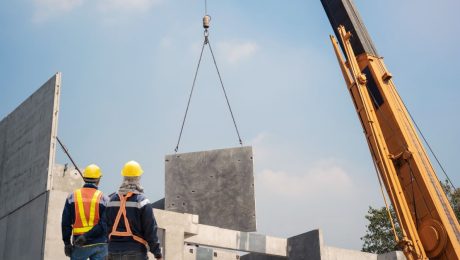
Fast, clean installs don’t just happen on crane day—they’re designed into the precast panel connections from the start. Smart detailing reduces site adjustment, tightens tolerances and keeps crews moving safely. Below are practical connection choices and workflows that make erection smoother, along with checks that protect quality.
Typical details that keep you moving
Well-chosen connection hardware shortens set-out time and minimises on-site cutting or drilling.
- Ferrules and cast-in plates: Standardise ferrule sizes and plate positions across panel types. Clear, repeatable centres let installers marry brackets and braces quickly. Use identifiable marking so crews can find fixing points at a glance.
- Dowel pockets and sleeves: Aligning panels with dowels gives fast, positive location while the crane holds. Oversleeved, grout-filled dowels accommodate small positional differences without chiselling.
- Grout joint design: A well-proportioned grout joint (depth, width, and access for tooling) speeds sealing and load transfer. Provide chamfers or recesses so grout is protected from traffic and weather as it cures.
- Temporary bracing points: Dedicated cast-in inserts for braces avoid last-minute drilling and reduce façade blemishes.
- Edge rebates and keyways: Simple, repeatable profiles improve joint integrity and help crews achieve a neat finish quickly.
- Lifting points: Certified, clearly tagged lifting points placed for balanced picks shorten rigging time and stabilise panels during rotation.
Keep details as consistent as possible across elevations. The more repetition in connection geometry, the faster a crew settles into a safe, reliable rhythm.
Tolerance management (designing for real-world fit)
Perfect drawings don’t guarantee perfect sites. Build a realistic tolerance strategy into both structure and panels.
- Adjustability in the steel/concrete frame: Slotted holes in brackets, shim stacks at bearings and oversize sleeves in dowel locations allow measured fine-tuning.
- Surveyable datums: Provide cast-in reference marks or rebates that line up to site control points. Quick verification saves crane minutes.
- Joint allowances: Specify joint widths that absorb cumulative variations without telegraphing misalignment up the façade. Pair with sealant systems that can accommodate expected movement.
- Ferrule set-backs: Maintain consistent set-backs from edges so brackets and braces clear arrises and finishes.
- Protection of tolerances in transit: Edge guards and correct dunnage prevent chips that “steal” joint space and slow installation.
Aim for tolerance compatibility rather than tightness alone. A little adjustability in the right place beats an ultra-tight number that fails on site.
Sequencing that speeds erection
Good sequencing keeps the crane productive and follow-on trades predictable.
- Pre-checks and staging
Confirm survey, brace layouts, and access. Stage panels in install order with lifting clutches, pins and hardware pre-checked. Have grout, shims and tools at the coalface—no hunting mid-lift. - First corner/benchmark panels
Set plumb and line on the first two panels to create your control. Lock in temporary bracing to a pre-approved plan. - Run the elevation
Proceed bay by bay. Use dowels or bearing ledges to locate, then connect through ferrules and cast-in plates. Keep grout joints clean and ready for filling as soon as a run is stable. - Services and penetrations
Where possible, cast in conduits and fixings so there’s no drilling. If on-site penetrations are unavoidable, schedule them after bracing is complete to avoid vibration during lifts. - Grout and seal
Fill joints to spec once panels are verified plumb and true. Tool neatly and protect from weather. Record batch numbers for traceability. - Brace removal and final fixings
Remove temporary braces only after grout/structural connections reach required strength and inspection sign-off is complete.
Maintain a simple, repeatable order of operations so every crew member knows the next step before the crane swings.
Inspection points that prevent rework
Quick, focused checks avoid expensive re-lifts.
- Lifting points: Inspect clutch engagement and tag ratings before each pick. Confirm angles within the rigging plan to avoid overloading anchors.
- Bracket and ferrule alignment: Test-fit a sample bracket at ground level on the first delivery to catch any casting variation early.
- Plumb, level and line: Use calibrated levels/lasers at each panel, not just every few bays. Small corrections are faster than late re-sets.
- Grout joint cleanliness: Keep joints free of slurry and debris. Contamination slows curing and compromises bond.
- Fastener torque and embedment: Verify torque values and shim stacks per detail; photograph critical fixings for records.
- Finish protection: Protect edges and faces near active work zones to avoid chips that disrupt joint lines and slow sealant work.
Document as you go—photos, lot numbers, torque readings and survey notes create a clean trail to final sign-off.
Why Specialty Precast
At Specialty Precast, there’s no substitute for quality. Our precast panel connections are detailed for repeatability: clearly located ferrules, practical dowels and sleeves, accessible grout joint profiles and balanced lifting points. The result is faster erection, fewer site adjustments and a façade that lines up beautifully from the first panel to the last.
Planning a façade or wall package where speed and finish matter? Talk to Specialty Precast about connection detailing that simplifies erection—standardised precast panel connections, dowel and ferrule layouts, grout joint design and optimised lifting plans. We’ll help you set realistic tolerances and a clear sequence so your project moves from delivery to sign-off without surprises.
- Published in Precast Concrete
Stadium & Tiered Seating: Modules That Simplify Construction

Delivering grandstands on time and to spec depends on repeatable parts, clean interfaces and a smooth site rhythm. That’s where precast stadium seating shines. Factory-made modules, matched to a steel or concrete support frame, speed installation while lifting finish quality. Below is a practical look at system components, tolerances, how installation typically flows, and the safety advantages of a well-designed precast approach.
System overview
A typical precast stadium seating system is built from coordinated modules:
- Riser/step units: Precast elements that create the tiered steps for spectators.
- Planks/treads: Seating planks that span between supports, forming the walking and seating surface.
- Edge and infill pieces: Precast nosings, wedge infills and closure units to complete geometry at ends and transitions.
- Primary structure: Steel or concrete frames, often with a raker beam system—inclined beams that carry the tier loads.
By manufacturing off site, surfaces arrive with consistent edges and durable finishes, ready for coatings, seating rails and services. Fewer wet trades in the bowl reduce weather risk and help keep the programme on track.
Tolerances and fit-up
Good outcomes start with clear tolerances and checked interfaces. Rather than chasing tight numbers on site, aim for a practical, buildable tolerance set across the structure and the precast:
- Datum and survey: Establish a reliable bowl datum and confirm support levels before the first lift.
- Bearing details: Use defined shims and seats so each unit bears properly without point loading.
- Joint control: Consistent joints allow for sealant, drainage falls and neat seat-rail fixing.
- Repeatability: Identical module geometry reduces cumulative error as tiers climb.
In short: measure twice, lift once. A coordinated tolerance plan between frame erectors and precast installers keeps grinding and on-site patching to a minimum.
Install sequence (a clean site rhythm)
A straightforward, repeatable sequence keeps cranes productive and crews safe. A typical flow:
- Pre-checks and layout
Confirm survey points, set out the first bay, and stage modules close to the pick point with lifting anchors inspected. - Set the first course
Place the lowest riser/step units, shim to level, and confirm line. This first run becomes your reference for the whole stand. - Work bay by bay
Lift subsequent risers, then place precast stadium seating planks/treads. Fit edge pieces and closures as you move to avoid return-to-work. - Fix and seal
Install specified fixings to the frame or raker beam, then complete joint seals and any required grouting. Maintain clean, dry joints for adhesion. - Services and rails
With modules in, follow on with handrails, seating rails and service penetrations where designed. Pre-formed rebates and cast-in inserts speed this step. - Quality check and handover
Check line, level, joints and surface finish each bay. Early sign-offs prevent rework compounding up the tiers.
Because modules are factory-made, crane time becomes predictable: lift, set, check, move—repeat. That predictability shortens the critical path and simplifies coordination with other trades.
Safety benefits
Precast methods support safer, calmer sites:
- Less working at height: Larger modules mean fewer individual pieces to handle on upper tiers.
- Cleaner edges: Defined bearing points and consistent units reduce improvisation, cutting the risk of slips and pinch points.
- Reduced wet works: Minimal on-site pouring in the bowl lowers trip hazards and weather-related delays.
- Controlled lifting: Certified anchors, specified slings and established lift plans keep crane operations repeatable.
- Access planning: Clear installation zones, exclusion areas and tidy staging reduce clashes between cranes, MEWPs and follow-on trades.
Safety grows from standardisation. Pre-planned modules, clear lift sequences and simple repeatable details support both speed and worker wellbeing.
Where raker beams fit in
The raker beam carries the inclined loading of the tiers. Coordinating raker positions, bearing shelves and inserts with the precast shop drawings makes placement almost “plug-and-play.” Benefits include:
- Fast seating of modules: Defined seats and cast-in fixings reduce on-site drilling.
- Service integration: Pre-planned penetrations for cables or lighting under the tiers.
- Finish quality: Accurate support lines translate directly into straight joints and even step heights.
Early collaboration on raker geometry and tolerances is one of the highest-value steps in any stadium or tiered seating build.
Why Specialty Precast
Our motto—There’s no substitute for quality—guides every stage: design assistance, shop drawings, manufacturing and delivery. With precast stadium seating modules produced in a controlled environment, you get consistent finishes, dependable fits and fewer surprises on site. The result is a cleaner build, faster installation and seating that feels as good as it looks.
Planning a grandstand, school hall or community facility with tiered seating? Talk to Specialty Precast about coordinated modules and raker beam solutions that simplify construction and elevate finish quality. We’ll help you develop a clear install sequence, practical tolerances and smart details—so your project moves from crane lift to sign-off with confidence.
- Published in Precast Concrete
Is Precast Concrete Waterproof: Practical Tips for Architects & Contractors
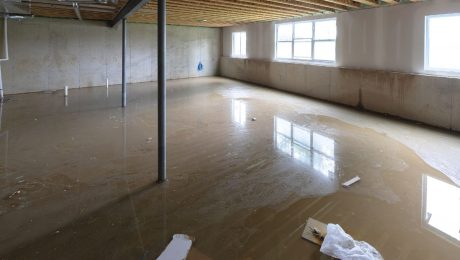
Have you been googling ‘is precast concrete waterproof’?
Short answer: the concrete itself isn’t “waterproof”, but a precast system can be made watertight with the right mix design, joint detailing, sealants/waterstops and QA. Think in terms of permeability control + joint design + interfaces, not magic concrete.
Waterproof vs watertight (and why it matters)
Concrete has capillaries. You can lower permeability with a quality mix, proper curing and (optionally) integral admixtures—but water will always find the weakest path, which is usually joints and penetrations. That’s why watertight precast relies on system detailing as much as concrete recipe.
Start with the material: mix & curing
- Low permeability concrete (appropriate strength, low w/c ratio, adequate cover and curing) resists water ingress and improves durability. Specify to AS 3600 exposure classes and curing requirements that suit your environment.
- For liquid-retaining or excluding structures, reference AS 3735 on design and detailing—this standard supplements AS 3600 for watertight performance.
- Permeability-reducing admixtures (e.g., crystallising types) can further cut penetration in demanding conditions—use as part of a system, not the only line of defence.
Joints make or break watertightness
Well-detailed precast joints keep façades and tanks dry. Industry guidance is explicit: the function of a joint (with sealants) is to prevent ingress of water and air; joint type and geometry are critical. For cladding, open-drained or face-sealed joints are common; each has pros/cons for movement, UV exposure and maintenance. Get the width/depth and backing rod right.
Sealants and gaskets
Select field-moulded sealants (polyurethane, polysulphide, silicone where appropriate) with the correct modulus and movement capacity, and design the profile so width > depth with proper backing. For buried civil units (culverts, chambers), purpose-made gasket systems/strips are used to form watertight joints between precast sections.
Waterstops at construction joints
At base/wall interfaces, pipe penetrations and precast-to-in-situ joints, add hydrophilic waterstops or equivalent. These swell on contact with water to seal micro-gaps and cycling cracks—ideal as a second line of defence around high-risk joints.
Don’t forget interfaces & penetrations
Most leaks show up at service penetrations, rebates, fixings, ferrules and cast-in items. Detail sleeves and collars, keep fixings out of wet zones where possible, and specify compatible sealants/primers. Good shop drawings + factory QA are non-negotiable. (Standards and handbooks consistently stress joint prep, correct sealant-backing systems, and curing of sealants before exposure.)
Surface protection: when to add membranes or sealers
Where water pressure, exposure or aesthetics demand belt-and-braces, add membranes or penetrative sealers to the precast surface. They don’t replace joint detailing; they augment it—especially on below-grade walls, tanks and podium decks subject to hydrostatic head.
QA checklist for watertight precast
- Concrete spec: exposure class, cover, curing plan.
- Jointing strategy: pick joint type (open-drained/face-sealed/compression), movement allowance, sealant type and geometry.
- Waterstops/gaskets: location schedule for all construction joints and section-to-section connections.
- Penetrations: sleeves, collars and compatible sealants detailed in shop drawings.
- Factory QA: dimensional tolerances, surface finish, curing records.
- On-site install: clean/dry joint faces, correct backing rod and sealant cure times before testing.
- Testing: where viable, perform water testing of critical interfaces.
Where precast shines (and how we help)
Precast gives you repeatable factory quality, controlled curing, and rapid installs—key advantages for watertight outcomes because you reduce weather risk and site variability. Specialty Precast manufactures architectural panels, civil elements, seating, signage, boat-ramp planks, light-pole bases and barriers, drawing on 40+ years of precast experience across Brisbane and Australia. Early involvement lets us rationalise panel modules, cast-in features and jointing to reduce both leak paths and time on site.
Bottom line
If you’re asking “is precast concrete waterproof”, the practical answer is: your precast system can be watertight—provided the concrete permeability is controlled, joints are designed and sealed correctly, and interfaces are detailed with waterstops/membranes where needed. Engage your precaster early, align the spec with AS 3600/AS 3735 where applicable, and treat joints as the star of the show.
Want peace of mind that your precast will be watertight? Reach out today for a free, no-obligation watertightness review and practical detailing advice.
- Published in Precast Concrete
Is Precast Concrete Cheaper than On-Site Pours?
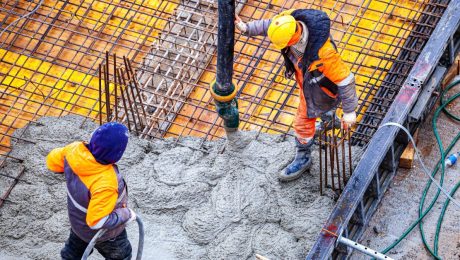
If you’re weighing up ‘is precast concrete cheaper than casting on site’ (in-situ), the honest answer is: often yes at the project level—thanks to faster programs, predictable quality and less on-site labour—but it depends on the element, repetition, access and logistics. Here’s a clear way to compare costs, plus how Specialty Precast helps you land the best value.
The cost lens that actually matters: total installed cost
Looking only at a per-unit price misses the real savings. Precast is manufactured off-site in controlled conditions and delivered ready to install, which can compress programs and reduce site risk. Faster installation and fewer weather delays typically lower prelims and disruption costs.
By contrast, in-situ requires formwork, reinforcement fixing, pouring and curing time on site, all of which are exposed to weather and labour variability. That time penalty shows up in prelims, supervision and rework risk.
Consumer guides sometimes show lower headline rates for precast panels (e.g., $150–$300/m², reported as ~23% cheaper than poured on site), but your project outcome will hinge more on program and site factors than on a single rate. Treat price lists as indicative only.
When precast usually wins on cost
- Repetition & scale. Repeated panels, pits, stairs, seating or barriers spread mould and setup costs across many units. Factory QA reduces rework.
- Tight programs. Precast elements arrive ready to place; a pit or panel can be installed in hours, not days, limiting traffic control, plant hire and supervision.
- High QA requirement. Factory casting delivers consistent dimensions and finishes, lowering on-site tolerance issues and finishing time.
- Safety & site efficiency. Less time in excavations or at heights means lower risk and leaner site crews—both cost levers.
When in-situ can be comparable (or better)
- One-off, highly bespoke shapes where creating a mould is uneconomic.
- Very small pours where transport/cranage would dominate cost.
- Sites with limited crane access or extreme transport constraints.
Even then, consider lifecycle costs: consistent factory curing and higher concrete strengths in precast can reduce maintenance over time.
Hidden costs people forget to include
- Weather risk. Rain or heat can stall pours and curing; precast production runs regardless.
- Formwork & stripping. Materials, labour and time are non-trivial.
- Rework. Honeycombing, blow-outs and tolerance issues are rarer with factory QA.
- Traffic control & prelims. Shorter install windows = fewer shifts of traffic management, security and site amenities.
What drives the price of precast itself
Element size/weight, finish, structural performance, mould complexity and the number of repeats are the main levers. Early design coordination to standardise thicknesses, rationalise sizes and reuse moulds is the fastest way to pull cost out.
Where Specialty Precast fits
Specialty Precast manufactures architectural panels, civil precast, seating, signage, boat ramps and more, with 40+ years in the industry. That depth lets us advise early on mould strategy, lifting design, transport and cranage so the installed cost falls—not just the unit price.
We also plan logistics and “plug-and-play” features (knockouts, cast-in fittings, surface finishes) to speed installation and reduce trades on site. Industry guidance shows those factory-integrated details are a major driver of time and cost savings.
Quick decision framework
- High repetition + tight program? Precast is the favourite.
- Service pits, drainage or access structures? Precast typically installs faster and safer, cutting excavation open-time.
- One-off concrete artwork with minimal repeats? In-situ may be competitive—ask us to price both ways.
Want a tailored precast vs in-situ comparison for your project? Reach out to us today and our friendly team of professionals will provide a free estimate and practical logistics advice.
- Published in Precast Concrete