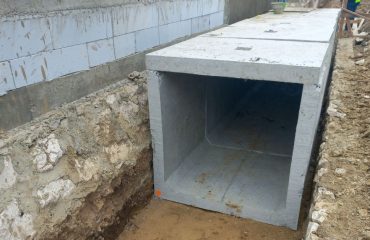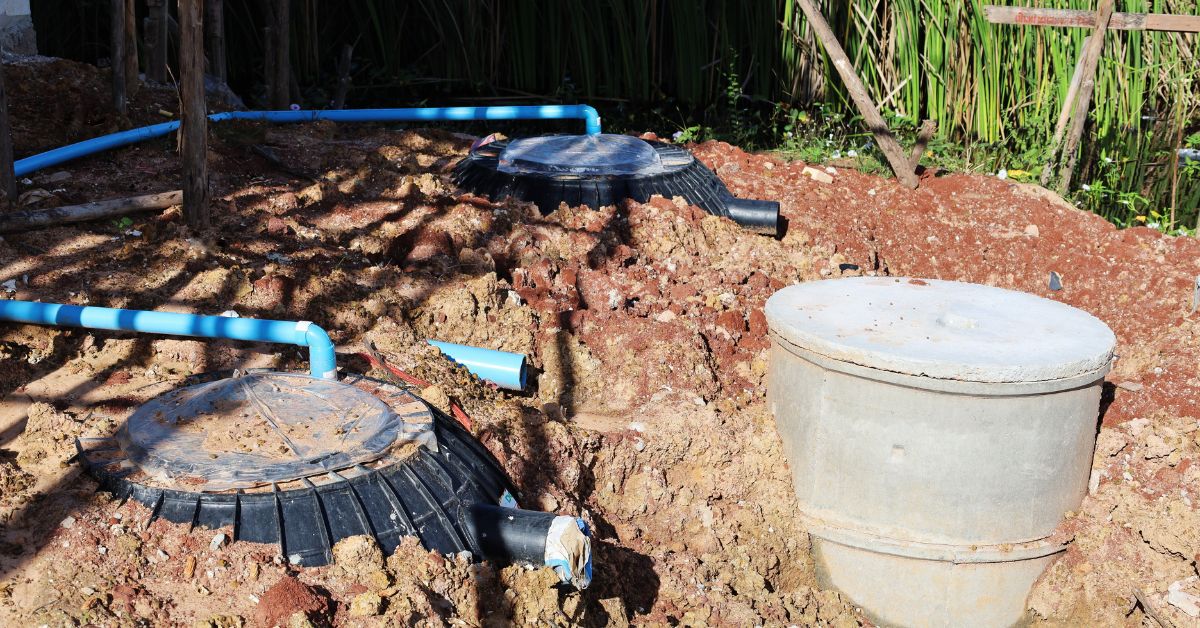
Choosing the right septic tank is crucial for ensuring safe and effective waste management on your property. Two popular materials dominate the market: concrete and plastic. While both options can serve your home or business, the material you select has long-term implications for durability, environmental impact, and costs. In this blog, we’ll explore why concrete septic tanks are superior to plastic alternatives, covering everything from their structural strength to overall value.
Durability and Strength of Concrete Septic Tanks
Withstanding Ground Pressure
Concrete septic tanks are known for their robust construction. The inherent weight and solidity of concrete help these tanks withstand ground pressure, soil shifts, and the natural freeze-thaw cycles experienced in many climates. This resilience contrasts sharply with plastic tanks, which can warp or collapse if the surrounding soil settles unevenly or if groundwater levels fluctuate significantly.
Resistance to Cracking
Plastic tanks are more prone to stress cracking and deformations—especially when exposed to extreme temperatures or sudden impacts. Concrete, on the other hand, can better resist cracking because it’s a rigid, reinforced structure. Properly manufactured and installed concrete tanks distribute stress more evenly, resulting in fewer structural vulnerabilities over time.
Longevity
One of the standout reasons why concrete septic tanks are better than plastic is their impressive lifespan. High-quality concrete tanks can last for decades—often outlasting the property’s ownership. In contrast, plastic tanks may degrade under UV exposure (if any part is above ground), chemical reactions, or ground movement, potentially cutting short their operational life.
Environmental Benefits of Concrete
Sustainability of Materials
Concrete production can incorporate recycled materials such as fly ash and slag, making it more sustainable than many people realise. Plus, unlike plastic, which is petroleum-based and may leach chemicals over time, concrete is an inert material that doesn’t release harmful substances into the surrounding soil or groundwater.
Less Prone to Damage
Because concrete septic tanks are less susceptible to cracks and punctures, they reduce the risk of leaks that can harm local ecosystems. A compromised plastic tank might release contaminants, leading to soil and water pollution. Concrete’s inherent sturdiness helps maintain a closed, secure environment for waste processing.
Lower Environmental Impact Over Time
The robustness of concrete tanks also means fewer repairs or replacements, translating to lower material consumption throughout the tank’s life. When you consider the long-term environmental footprint, concrete often comes out on top, especially in regions with fluctuating ground conditions or harsh climates.
Maintenance and Repair Needs
Minimal Upkeep
Concrete tanks generally require less frequent maintenance than their plastic counterparts. Because they’re built to withstand external pressures and internal load changes, the chance of developing leaks or structural damage is significantly lower.
Plastic’s Vulnerabilities
Plastic septic tanks can suffer from several issues:
- Bulging or Warping: Ground pressure or improper backfill can deform the tank, leading to alignment issues and eventual leaks.
- Cracking from Impact: Even minor impacts during installation or from heavy machinery passing overhead can cause damage.
- Higher Risk of Floating: In high water table areas, a lightweight plastic tank can shift or float if not anchored properly.
All these vulnerabilities mean plastic tanks often require more attention and potential repair work over their lifespan.
Cost and Long-Term Value
Higher Initial Cost of Concrete
It’s true that concrete septic tanks generally come with a higher upfront cost compared to plastic. The manufacturing process is more involved, and transportation can be pricier due to the tank’s weight. However, this initial investment is balanced by the tank’s durability.
Longevity Equals Savings
Because concrete tanks last for decades with minimal maintenance, the lifetime cost can be significantly lower than plastic tanks, which may need repairs or replacements sooner. Over the long haul, the reliability and reduced upkeep of concrete often translate into substantial savings—both financially and environmentally.
Boosting Property Value
A durable, well-maintained septic system can also enhance your property’s resale appeal. Potential buyers may see the presence of a concrete septic tank as an asset, knowing it’s less likely to fail and more likely to meet local regulations for waste management.
When evaluating are concrete septic tanks better than plastic, the answer often points to concrete as the superior choice for most properties. Its durability, resistance to cracking, and minimal maintenance requirements ensure a long-lasting waste management solution. Add in the environmental benefits—like reduced risk of leaks and chemical leaching—and it’s clear why more homeowners, businesses, and municipalities turn to concrete.
While the initial investment may be higher, concrete septic tanks deliver greater reliability and a lower total cost of ownership over time. For anyone seeking a dependable, eco-friendly, and cost-effective waste management system, concrete stands out as the premium option.