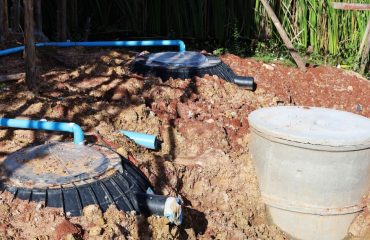
Why Lifespan Matters in Septic Tanks
Investing in a septic system is a significant decision for properties outside municipal sewer lines or those seeking more control over wastewater treatment. One of the most important considerations is lifespan—how many years of trouble-free service you can expect before major repairs or replacement become necessary. Among various tank materials like plastic, fibreglass, or steel, concrete stands out for its robustness and long-term reliability. Understanding the factors that influence concrete tanks’ longevity can help you make an informed choice and maximize your system’s service life.
Factors Affecting the Longevity of Concrete Septic Tanks
- Material Quality and Manufacturing
- High-Grade Concrete Mix: Tanks cast with the right water-cement ratio and aggregates withstand underground pressure more effectively.
- Reinforcement: Steel rebar or wire mesh fortifies the tank walls against cracking.
- Proper Curing: Adequate curing time in the factory yard ensures the concrete achieves optimal strength before installation.
- Installation Practices
- Correct Leveling and Bedding: The tank base must be stable, preferably on a sand or gravel bed that supports the weight evenly and reduces potential shifts.
- Sealing Joints: Any access ports or lids need watertight seals to deter infiltration from ground or surface water.
- Soil Conditions: Free-draining soil that avoids constant moisture around the tank can reduce external erosion or freeze-thaw stresses.
- Site Conditions
- Groundwater Levels: Constant submersion in high groundwater can accelerate wear if the tank surface is not well-sealed.
- Climate: Freeze-thaw cycles in colder regions might crack poorly made or installed tanks. Meanwhile, heavily corrosive soil or high salt content can degrade concrete over time.
- Maintenance Routines
- Regular Pumping: Timely sludge removal prevents overflow or backups that can strain tank walls and pipes.
- Avoiding Harsh Chemicals: Continuous flushing of strong chemicals can erode or compromise the concrete liner, reducing structural integrity.
Typical Lifespan of Concrete vs. Other Materials
Concrete Septic Tanks
- Average Lifespan: 30 to 50 years, possibly extending to 60 or more with proper installation and care.
- Durability: Resists buoyancy, ground pressure, and moderate chemical exposure.
- Pros: Minimal risk of floating in high water tables, robust structure, less prone to damage from soil shifts.
Plastic or Fibreglass Tanks
- Average Lifespan: Around 20 to 30 years under normal conditions.
- Pros: Lightweight, easier to transport and install, good resistance to rust or chemical reaction.
- Cons: More susceptible to cracking if soil shifts or external loads aren’t correctly supported. High groundwater can cause these tanks to float if not anchored or filled properly.
Steel Tanks
- Average Lifespan: 15 to 20 years if coated or well-protected, but can corrode faster if left unprotected or exposed to damp, corrosive soil.
- Pros: Initially strong and easy to install.
- Cons: Risk of rust and limited lifespan in humid or acidic ground conditions, demanding frequent checks.
Maintenance Tips to Extend the Lifespan
- Regular Pumping and Inspection
- Frequency: Every 3–5 years, or as recommended by local regulations and your tank’s size.
- Benefits: Removes accumulated sludge, reducing strain on tank walls and preventing overflow into leach fields.
- Mindful Household Habits
- Limit Harsh Chemicals: Overuse of drain cleaners, bleach, or paint thinners can degrade concrete and upset bacterial balance in the tank.
- Manage Solid Waste: Avoid flushing cooking grease or non-degradable items (wipes, feminine hygiene products) that can clog and stress the system.
- Protect the Drain Field
- Landscape Wisely: Plant trees or shrubs with deep roots far away, preventing root intrusion that can crack lines or the tank.
- Prevent Heavy Traffic: Driving or parking over the septic area compresses soil and may damage the tank or pipes.
- Periodic Professional Check-Ups
- Structural Assessment: A qualified septic or plumbing expert can spot emerging cracks, infiltration, or defective seals before they evolve into bigger problems.
- Chemical Treatments: If recommended, using enzyme or bacterial additives can help maintain a healthy microbial environment, though consult a professional for best practices.
Concrete septic tanks are known for their robustness, long service life, and resistance to soil pressure, often outlasting other tank materials with proper installation and regular upkeep. While many run effectively for 30–50 years or more, fulfilling that potential depends on quality construction, soil considerations, and good maintenance habits such as timely pumping. By adhering to recommended practices—watching for cracks, limiting harsh chemicals, and scheduling professional inspections—you can safeguard the longevity of your concrete septic tank, protect your property, and ensure efficient wastewater treatment for decades.