If you’re weighing up ‘is precast concrete cheaper than casting on site’ (in-situ), the honest answer is: often yes at the project level—thanks to faster programs, predictable quality and less on-site labour—but it depends on the element, repetition, access and logistics. Here’s a clear way to compare costs, plus how Specialty Precast helps you land the best value.
The cost lens that actually matters: total installed cost
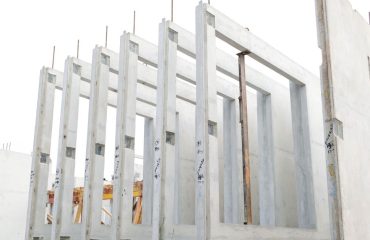
Looking only at a per-unit price misses the real savings. Precast is manufactured off-site in controlled conditions and delivered ready to install, which can compress programs and reduce site risk. Faster installation and fewer weather delays typically lower prelims and disruption costs.
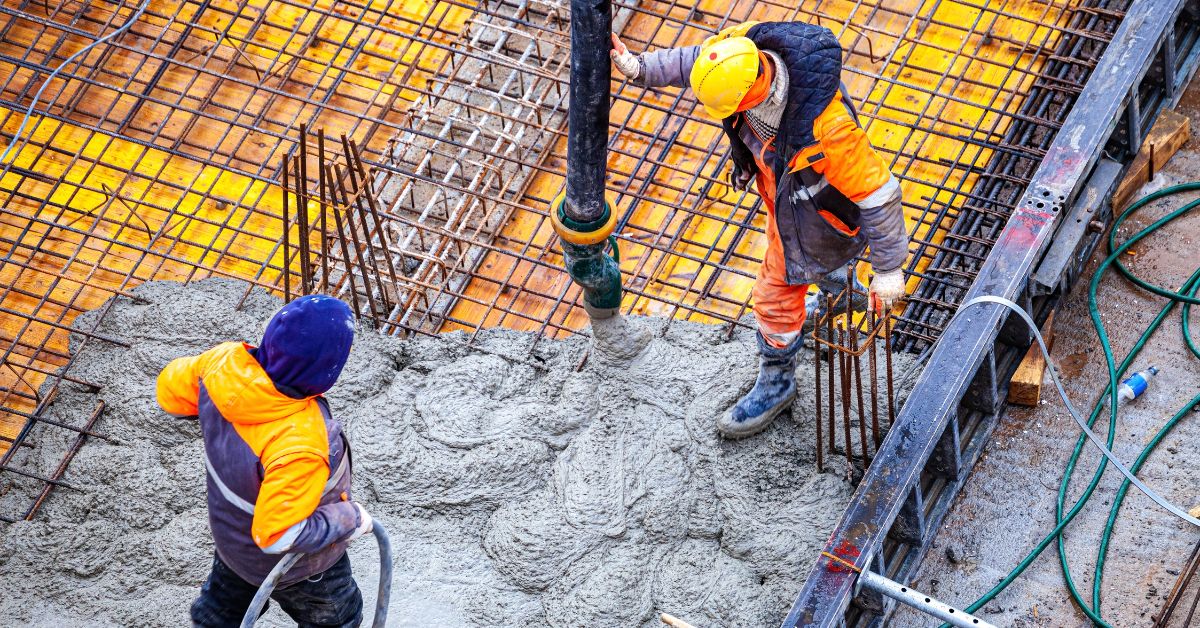
By contrast, in-situ requires formwork, reinforcement fixing, pouring and curing time on site, all of which are exposed to weather and labour variability. That time penalty shows up in prelims, supervision and rework risk.
Consumer guides sometimes show lower headline rates for precast panels (e.g., $150–$300/m², reported as ~23% cheaper than poured on site), but your project outcome will hinge more on program and site factors than on a single rate. Treat price lists as indicative only.
When precast usually wins on cost
- Repetition & scale. Repeated panels, pits, stairs, seating or barriers spread mould and setup costs across many units. Factory QA reduces rework.
- Tight programs. Precast elements arrive ready to place; a pit or panel can be installed in hours, not days, limiting traffic control, plant hire and supervision.
- High QA requirement. Factory casting delivers consistent dimensions and finishes, lowering on-site tolerance issues and finishing time.
- Safety & site efficiency. Less time in excavations or at heights means lower risk and leaner site crews—both cost levers.
When in-situ can be comparable (or better)
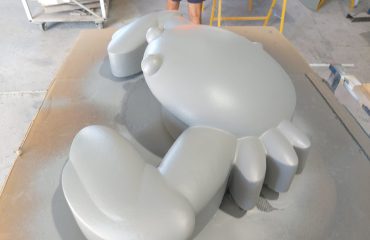
- One-off, highly bespoke shapes where creating a mould is uneconomic.
- Very small pours where transport/cranage would dominate cost.
- Sites with limited crane access or extreme transport constraints.
Even then, consider lifecycle costs: consistent factory curing and higher concrete strengths in precast can reduce maintenance over time.
Hidden costs people forget to include
- Weather risk. Rain or heat can stall pours and curing; precast production runs regardless.
- Formwork & stripping. Materials, labour and time are non-trivial.
- Rework. Honeycombing, blow-outs and tolerance issues are rarer with factory QA.
- Traffic control & prelims. Shorter install windows = fewer shifts of traffic management, security and site amenities.
What drives the price of precast itself
Element size/weight, finish, structural performance, mould complexity and the number of repeats are the main levers. Early design coordination to standardise thicknesses, rationalise sizes and reuse moulds is the fastest way to pull cost out.
Where Specialty Precast fits
Specialty Precast manufactures architectural panels, civil precast, seating, signage, boat ramps and more, with 40+ years in the industry. That depth lets us advise early on mould strategy, lifting design, transport and cranage so the installed cost falls—not just the unit price.
We also plan logistics and “plug-and-play” features (knockouts, cast-in fittings, surface finishes) to speed installation and reduce trades on site. Industry guidance shows those factory-integrated details are a major driver of time and cost savings.
Quick decision framework
- High repetition + tight program? Precast is the favourite.
- Service pits, drainage or access structures? Precast typically installs faster and safer, cutting excavation open-time.
- One-off concrete artwork with minimal repeats? In-situ may be competitive—ask us to price both ways.
Want a tailored precast vs in-situ comparison for your project? Reach out to us today and our friendly team of professionals will provide a free estimate and practical logistics advice.