Concrete boat ramps must perform under constant exposure to water, changing tides, and heavy vehicle loads. Small design errors can quickly lead to safety risks, reduced traction, and structural damage. Achieving long term performance depends on aligning geometry, materials, and construction methods from the outset.
Marine environments place unique demands on infrastructure. Tidal variation affects how ramps are used throughout the day, while exposure to saltwater increases the risk of deterioration. Careful planning ensures that ramps remain functional, safe, and durable under these conditions.
Designing for Slope and Tidal Conditions
Ramp gradient is one of the most critical design elements. The slope must allow vehicles and trailers to launch and retrieve boats safely without losing traction or entering the water too deeply. A balanced gradient supports both safety and usability across different conditions.
Tidal levels influence the overall length and positioning of the ramp. The lower section must extend far enough to remain usable at low tide, while the upper section must remain accessible during high tide. Accurate data is essential to ensure that the ramp performs effectively across the full tidal range.
Width also plays an important role. Adequate space allows vehicles to manoeuvre safely and reduces the risk of misalignment during use. Ensuring that the ramp accommodates different vessel sizes improves accessibility and overall efficiency.
Selecting Durable Materials for Marine Exposure
Material selection directly affects the lifespan of a boat ramp. Concrete used in marine environments must resist water penetration and chemical exposure. High strength mixes with low permeability help protect the structure from long term damage.
Reinforcement must also be carefully considered. Exposure to saltwater can accelerate corrosion, which weakens structural elements over time. Using materials designed for harsh conditions improves durability and reduces maintenance requirements.
Protective detailing enhances performance. Adequate cover over reinforcement and careful placement within the structure help minimise exposure to damaging elements. These measures support the long term integrity of the ramp.
Benefits of Precast Construction Methods
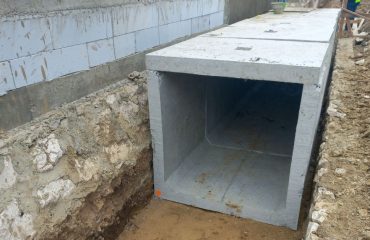
Precast construction offers advantages in both quality and efficiency. Elements are manufactured in controlled environments, allowing for consistent results and reduced variability. This approach improves overall structural performance and reduces the risk of defects.
Installation is typically faster compared to traditional methods. Precast elements can be placed efficiently, reducing the time required on site. This is particularly beneficial in marine settings where working conditions may be limited by tides and weather.
Quality control is also enhanced. Each component is produced to meet specific standards, ensuring that the final structure performs as intended. This level of consistency supports durability and reduces the need for future repairs.
Improving Safety Through Surface Design and Stability
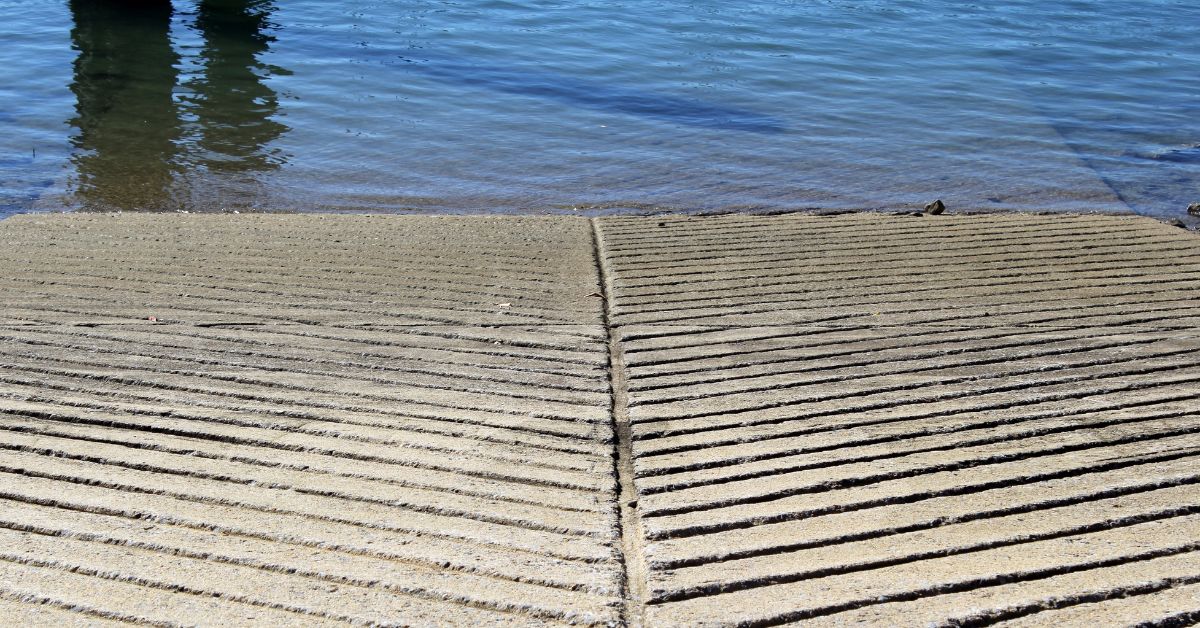
Surface traction is essential for safe operation. Wet conditions can reduce grip, making it difficult for vehicles to maintain control. Textured surfaces improve traction and reduce the likelihood of slipping during use.
Stability at the base of the ramp is equally important. Water movement can erode supporting material, leading to structural instability. Proper foundation design helps prevent this, ensuring that the ramp remains secure over time.
Ongoing performance depends on maintaining these features. Regular inspections and maintenance help identify potential issues early, allowing for timely intervention and reducing long term costs.
Creating Reliable Infrastructure for Marine Environments
Successful boat ramp design requires a comprehensive approach. Each element must work together to support safety, durability, and usability. Considering environmental conditions, material performance, and construction methods ensures that the final structure meets these requirements.
A well designed ramp supports consistent use over many years. By focusing on key factors such as gradient, materials, and stability, it is possible to create infrastructure that performs reliably in demanding marine environments.