
- What are the main advantages of using a precast concrete panel wall system for commercial construction?
A precast concrete panel wall system offers numerous benefits for commercial projects. These systems can reduce on-site construction time by up to 50% since panels are manufactured off-site under controlled conditions whilst site preparation occurs simultaneously. The consistent quality achieved in factory environments results in superior durability, better weather resistance, and enhanced thermal performance. Additionally, precast panels provide excellent structural integrity, fire resistance, and design flexibility with various textures and finishes available. This combination of speed, quality, and performance makes precast concrete wall systems an ideal choice for warehouses, retail centres, and industrial facilities.
- How do precast concrete wall panels reduce construction time compared to traditional building methods?
Precast concrete wall panels significantly accelerate construction timelines by eliminating on-site concrete pouring and curing wait times. While traditional cast-in-place concrete requires 7-28 days for proper curing, precast panels arrive at your site fully cured and ready for immediate installation. This streamlined approach can reduce overall build times by up to 50%, allowing projects to progress without weather delays that typically affect on-site concrete work. The precision manufacturing in controlled factory conditions also means fewer defects and rework, further contributing to faster project completion and reduced labour costs.
- What are the main advantages of using precast wall panels over traditional construction methods?
Precast wall panels offer numerous benefits over conventional building techniques. They significantly reduce on-site construction time by up to 50%, as panels are manufactured off-site in controlled conditions while site preparation occurs simultaneously. This parallel construction approach minimises weather delays and labour costs. The factory-controlled environment ensures superior quality control, resulting in consistent finishes and enhanced durability. Additionally, precast panels provide excellent thermal performance and can incorporate various architectural finishes, from smooth concrete to textured surfaces, giving architects greater design flexibility whilst maintaining structural integrity.
- What's the difference between a prefabricated wall panel and traditional on-site construction?
A prefabricated wall panel is manufactured off-site in a controlled factory environment, then transported and installed at your construction site. This differs significantly from traditional construction where walls are built piece by piece on-site. Prefabricated panels offer superior quality control, consistent dimensions, and faster installation times. Since they’re made in climate-controlled facilities, there’s no weather delays during production, and the installation process can reduce your overall build time by up to 50%. Additionally, prefabricated wall panels undergo rigorous quality testing before leaving the factory, ensuring consistent strength and durability that often exceeds site-built alternatives.
Rapid Installation of Precast Seating: Minimising Site Disruption
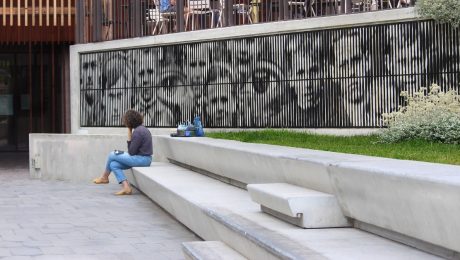
Precast concrete seating has become the go-to solution for construction professionals who need efficient, durable outdoor furniture that won’t bring their projects to a grinding halt. Unlike traditional concrete work that requires weeks of on-site preparation, curing, and finishing, precast concrete seating units arrive ready to transform spaces in hours rather than days. This streamlined approach addresses one of construction’s biggest headaches: minimising disruption while maintaining quality standards.
The Efficiency Advantage of Precast Concrete Seating
What Is Precast Concrete Seating?
Precast concrete seating represents a manufacturing approach where concrete elements are crafted off-site in controlled factory environments, ensuring consistent quality that surpasses what’s achievable with traditional in-situ concrete methods. This process involves creating individual seating modules—ranging from simple park benches to complex modular systems—under optimal conditions where temperature, humidity, and curing time can be precisely controlled. The controlled environment eliminates weather-related delays and quality inconsistencies that plague on-site concrete work.
Think of it like the difference between cooking in a professional kitchen versus a campfire. The factory setting provides the perfect conditions for creating superior concrete seating every single time. These prefabricated elements come in countless configurations, from sleek contemporary designs to robust stadium-style seating, each engineered to meet specific project requirements. Whether destined for bustling public spaces, educational campuses, commercial developments, or sporting venues, precast concrete benches and seating systems adapt seamlessly to diverse architectural precast concrete visions.
The versatility extends to surface treatments and finishes, with options including shot-blasted textures, smooth honed surfaces, polished appearances, and natural off-form finishes that showcase the concrete’s inherent beauty.
Why Precast Equals Rapid Installation
Factory-controlled production means seating elements arrive on-site ready for immediate placement, dramatically cutting construction timelines compared to traditional concrete seating methods. While conventional approaches require extensive formwork, mixing, pouring, and weeks of curing time, precast units can be positioned and secured within hours of delivery. This efficiency stems from the concurrent nature of how to precast production—while site preparation occurs, manufacturing proceeds independently in climate-controlled facilities.
The labour requirements drop significantly with precast installations. Instead of teams managing concrete mixing, formwork assembly, and prolonged curing processes, a small crew can install substantial seating areas in a single working day. This efficiency becomes particularly valuable on projects with tight schedules or multiple phases requiring coordination.
Consider how puzzle pieces fit together instantly once manufactured—precast seating installation follows similar principles, with each element designed for precise fit and immediate functionality.
Minimising Site Disruption: A Key Benefit
Construction noise, dust clouds, and constant activity can turn peaceful environments into chaotic zones, particularly problematic near precast concrete schools, hospitals, or busy urban areas. Precast seating installation eliminates most of these disruptions by arriving as finished products requiring only positioning and anchoring. The reduced on-site activity means fewer trucks, less equipment noise, and minimal dust generation compared to traditional concrete work.
Site precast concrete safety barriers improves dramatically when fewer workers perform fewer high-risk activities. Instead of managing concrete trucks, mixers, and wet concrete hazards, installation crews focus on straightforward placement procedures using standard lifting equipment. Traffic congestion around project sites decreases because deliveries consist of finished products rather than multiple shipments of raw materials, equipment, and labour crews.
Specialty Precast’s commitment to precision manufacturing ensures each unit arrives with exact dimensions and specifications, eliminating the measurement errors and fitting issues that can plague on-site construction work and cause project delays.
Does your current seating installation method allow for same-day completion of large areas?
Unmatched Durability and Longevity of Precast Concrete Seating
Built to Endure Australian Conditions
Australia’s harsh climate demands seating solutions engineered for extreme conditions, and precast concrete seating delivers exactly that resilience. High-strength concrete mixes incorporating premium aggregates resist the damaging effects of intense UV radiation, temperature fluctuations, and severe weather events that can destroy lesser materials. The controlled factory curing process creates dense concrete matrices that does precast concrete withstand impacts from heavy use, accidental collisions, and deliberate abuse far better than timber or metal alternatives.
Vandalism resistance represents another crucial advantage of monolithic concrete construction. Unlike multi-component seating that can be dismantled or damaged piece by piece, precast concrete units present solid, integrated structures that discourage graffiti and resist physical damage. When vandalism does occur, cleaning and restoration procedures are straightforward, often requiring nothing more than pressure washing or light surface treatments to restore original appearance.
Steel reinforcement or fibreglass strengthening integrated during manufacturing provides exceptional load-bearing capacity, allowing these seating systems to support heavy use without structural degradation. With proper installation and minimal maintenance, quality precast concrete seating can function effectively for how long does precast concrete 50 years or more, making it a genuine long-term infrastructure investment rather than a recurring expense.
The material science behind precast concrete seating incorporates decades of engineering knowledge about Australian environmental challenges, resulting in products specifically formulated to thrive in local conditions.
Low Maintenance, High Return
The how to maintain precast concrete requirements for precast concrete seating pale in comparison to timber or metal alternatives that demand regular staining, rust treatment, or component replacement. Routine upkeep typically involves periodic pressure washing or simple hand cleaning to maintain appearance and functionality. This minimal maintenance approach translates directly into cost savings over the seating’s operational lifetime, particularly valuable for large installations or public spaces with limited maintenance budgets.
Unlike timber seating that can rot, warp, or splinter, or metal benches that corrode and require regular painting, concrete seating maintains structural integrity and appearance with minimal intervention. The material’s inherent resistance to moisture, insects, and decay eliminates the ongoing replacement cycles that plague other seating materials. Even in challenging coastal environments where salt air accelerates corrosion of metal components, properly specified precast concrete continues performing without deterioration.
The economic benefits compound over time as maintenance teams can focus resources on other priorities rather than constantly repairing or replacing seating elements. This reliability becomes particularly valuable for facilities managers overseeing multiple sites or extensive seating installations where maintenance efficiency directly impacts operational budgets.
Design Versatility and Customisation With Precast
Aesthetic Freedom for Any Project
Modern precast concrete manufacturing opens unlimited architectural precast concrete possibilities that extend far beyond basic bench configurations. The moulding process accommodates intricate shapes, curved profiles, integrated planters, and architectural details that would be prohibitively expensive or impossible to achieve with on-site concrete work. Surface treatments range from smooth, contemporary finishes to textured surfaces that complement natural environments or architectural themes.
Colour integration occurs during manufacturing, ensuring consistent appearance throughout each element rather than can you paint precast coatings that can wear or fade over time. This approach allows seating to harmonise with surrounding landscapes, building materials, or corporate colour schemes without ongoing maintenance concerns. The ability to incorporate other materials—such as timber armrests or steel accents—creates hybrid designs that combine concrete’s durability with the warmth and texture of complementary materials.
Specialty Precast’s manufacturing capabilities support precast custom moulding for unique projects requiring distinctive aesthetic identities. Whether creating seating that reflects local cultural themes, incorporates historical design elements, or establishes signature architectural statements, the precast process accommodates virtually any creative vision while maintaining structural performance standards.
Advanced forming techniques can replicate natural stone textures, timber grain patterns, or contemporary geometric designs, providing aesthetic variety without compromising the practical advantages of concrete construction.
Tailoring Solutions for Specific Needs
Customisation extends beyond appearance to encompass functional modifications that address specific site requirements or user needs. Dimensional adjustments accommodate space constraints, traffic flow patterns, or accessibility requirements without compromising structural integrity. Integrated branding elements, such as concrete signage, or decorative patterns, can be incorporated during manufacturing for permanent identification that won’t fade or detach over time.
Modular seating systems offer particular advantages for projects requiring flexibility or phased installation. These systems allow reconfiguration as site uses evolve, expansion when additional seating becomes necessary, or relocation when spatial requirements change. The economic efficiency of modular approaches stems from standardised components that reduce manufacturing costs while maintaining design flexibility through various arrangement possibilities.
Specialised features enhance functionality and precast concrete safety in specific applications. Anti-skate elements deter unintended use while maintaining comfort for seated users. Integrated fixing points ensure secure installation that resists displacement from weather events or vandalism attempts. Custom drainage features prevent water accumulation, while ergonomic refinements improve user comfort during extended use.
Can your current seating solution adapt to changing site requirements without complete replacement?
Bespoke design services address unique project requirements that standard products cannot accommodate, ensuring every installation achieves both functional performance and aesthetic goals specific to the site and user community.
Specialty Precast: Your Partner for Efficient Seating Solutions
40+ Years of Expertise in Precast Concrete
Specialty Precast brings 40+ years of experience to every precast concrete seating project, representing deep institutional knowledge of Australian construction requirements, environmental challenges, and precast concrete standards. This extensive background encompasses thousands of successful installations across diverse applications, from intimate residential developments to major public infrastructure projects. The company’s commitment to precision manufacturing in controlled factory environments ensures consistent quality that exceeds expectations project after project.
Our proven track record spans the entire spectrum of precast concrete applications, with particular expertise in creating seating solutions that balance aesthetic appeal with functional durability. Every project benefits from accumulated knowledge about material science, structural engineering, and manufacturing processes refined through decades of continuous improvement. This experience translates into seating products that not only meet immediate project requirements but continue performing optimally throughout their extended service lives.
The controlled manufacturing environment eliminates the variables that can compromise quality in on-site concrete work, ensuring every element meets precast specifications for dimensions, strength, and appearance. Quality control procedures developed over 40 years of operation catch potential issues before products leave the factory, guaranteeing that installations proceed smoothly without delays or modifications.
Client relationships built on consistent delivery of superior products have established Specialty Precast as the preferred partner for architects, contractors, and developers who demand reliable results on schedule and within budget.
Guaranteed On-Time Delivery for Seamless Projects
Concrete cost schedules depend on reliable material delivery, and Specialty Precast’s meticulous project management ensures seating elements arrive precisely when construction sequences require them. This coordination addresses the logistical challenges that can derail project timelines, particularly important when multiple trades must coordinate their work around seating installation. Ready-to-install units eliminate the waiting periods associated with on-site concrete work, allowing projects to maintain momentum and meet critical milestones.
The company’s production planning accommodates tight why precast concrete schedules by managing manufacturing workflows to align with site readiness. This proactive approach means seating elements are completed and ready for delivery exactly when installation crews are prepared to receive them, eliminating storage challenges and reducing site congestion. Logistics coordination ensures delivery vehicles can access installation areas efficiently, minimising disruption to ongoing construction activities.
Our commitment to guaranteed on-time delivery reflects broader industry trends toward off-site construction methods that reduce on-site disruption while improving benefits of precast concrete. This alignment with modern construction practices makes Specialty Precast the logical choice for projects prioritising efficiency, quality, and schedule certainty. The value proposition resonates particularly strongly with construction professionals managing multiple concurrent projects where delays on one site can cascade into broader scheduling conflicts.
Does your current supplier guarantee delivery schedules that align with your construction milestones?
Precast concrete seating delivers an unmatched combination of rapid installation and minimal site disruption while providing exceptional durability and endless customisation possibilities. This proven approach addresses the fundamental challenges facing modern construction projects: maintaining quality while accelerating schedules and reducing on-site complications. The manufacturing advantages of controlled environments, combined with the installation efficiency of ready-to-place elements, create value that extends far beyond initial cost considerations.
Specialty Precast stands as Australia’s trusted partner for high-quality, custom precast concrete seating solutions, backed by four decades of manufacturing excellence and guaranteed on-time delivery that keeps projects moving forward smoothly.
- Published in Precast Concrete
Concrete Prefabricated Panels
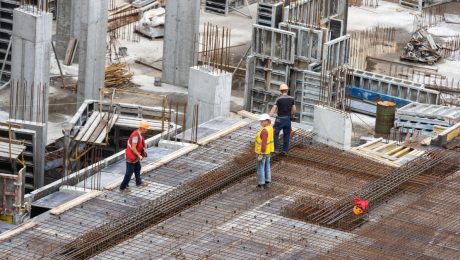
Construction projects across Australia are experiencing a significant transformation through the adoption of precast concrete wall panels. These innovative building components are manufactured in controlled factory environments, where concrete is cast, cured, and quality-tested before transportation to construction sites. This off-site production method represents a fundamental shift from traditional on-site concrete pouring, offering construction teams unprecedented efficiency gains.
The primary advantage of precast concrete wall panels lies in their ability to reduce on-site construction time by up to 50%. This dramatic time reduction occurs because panel manufacturing happens simultaneously with site preparation activities, creating parallel workflows that accelerate project completion. Factory-controlled production eliminates weather-related delays and provides consistent quality that would be difficult to achieve with on-site concrete work.
These versatile building components serve multiple project types across Australia’s construction sector. Commercial buildings, industrial facilities, and civil infrastructure projects all benefit from the speed and reliability that precast wall panels provide. The method addresses critical industry challenges including skilled labour shortages, weather dependency, and the need for faster project delivery in competitive markets.
Modern construction demands solutions that balance speed, quality, and cost-effectiveness. Precast concrete wall panels deliver on all three requirements while providing architects and engineers with design flexibility that matches their creative vision. This article explores how these prefabricated components are reshaping construction timelines and why industry professionals are increasingly choosing this proven technology for their projects.
The Unmatched Speed and Efficiency of Precast Concrete
Time management in construction projects determines profitability and client satisfaction. Precast concrete wall panels address this challenge through off-site manufacturing that runs parallel to site preparation activities. While excavation and foundation work proceed on-site, panels are simultaneously being cast, cured, and finished in climate-controlled factory facilities. This parallel production approach eliminates the sequential delays that characterise traditional construction methods.
Installation speed represents another significant advantage of precast wall panels. Once delivered to the construction site, these prefabricated components can be positioned and secured within hours rather than days. Construction crews report that large wall sections, which would typically require weeks of on-site concrete work, can be erected in a single day using precast panels. The precision manufacturing process means panels arrive ready for immediate installation without the curing time required for cast-in-place concrete.
Labour efficiency improves dramatically when using precast concrete wall panels. Traditional concrete construction requires skilled workers for formwork, reinforcement placement, concrete mixing, pouring, and finishing. Precast panels reduce on-site labour requirements to crane operation and connection work, addressing Australia’s construction industry skill shortages. This reduction in labour dependency also creates safer work environments with fewer workers exposed to potential hazards.
Weather conditions no longer dictate construction schedules when using precast wall panels. Factory production continues regardless of rain, wind, or extreme temperatures that would halt on-site concrete operations. This weather independence provides project managers with predictable timelines and reduces the costly delays that affect traditional construction methods. Contractors can commit to delivery dates with greater confidence knowing that manufacturing proceeds uninterrupted by environmental factors.
Early project completion translates directly into cost savings and faster return on investment. Reduced construction time means lower financing costs, shorter equipment rental periods, and earlier building occupancy. Property developers particularly benefit from accelerated construction schedules that allow them to generate rental income or complete sales months earlier than conventional building methods would permit.
Beyond Speed: Quality, Durability, and Design Flexibility
Quality control reaches exceptional levels when concrete wall panels are manufactured in factory environments. Controlled conditions allow for precise concrete mixing ratios, consistent curing temperatures, and thorough quality testing that would be impossible on construction sites. Each panel receives individual attention during production, resulting in uniform strength characteristics and superior surface finishes. This manufacturing precision reduces defects and eliminates the variables that can compromise concrete quality in field conditions.
Precast concrete wall panels demonstrate exceptional durability that extends building life cycles significantly. These structural components typically last 50 to 100 years with minimal maintenance requirements. The dense concrete matrix provides excellent resistance to fire, water damage, pest infiltration, and extreme weather events common in Australian climates. This longevity makes precast panels particularly valuable for infrastructure projects where long-term performance is critical.
Fire resistance represents a crucial safety advantage of precast concrete construction. Unlike timber or steel framing, concrete wall panels do not contribute to fire spread and maintain structural integrity at high temperatures. This fire-resistant characteristic reduces insurance costs and provides building occupants with enhanced safety protection. Emergency services also benefit from the predictable behaviour of concrete structures during fire suppression operations.
Design flexibility allows architects to create distinctive building appearances using precast concrete wall panels. Modern manufacturing techniques produce panels in virtually unlimited colours, textures, and surface patterns. Architectural finishes can replicate natural stone, brick, or timber appearances while maintaining concrete’s structural advantages. Custom moulds create unique geometric patterns and decorative elements that would be prohibitively expensive using traditional construction methods.
Thermal performance of precast concrete wall panels contributes to building energy efficiency. The high thermal mass of concrete moderates internal temperatures by absorbing heat during warm periods and releasing it during cooler times. This thermal regulation reduces mechanical heating and cooling loads, lowering operational energy costs throughout the building’s lifetime. Sound insulation properties also create quieter indoor environments by blocking external noise transmission.
Sustainability benefits make precast concrete wall panels attractive for environmentally conscious projects. Factory production reduces construction waste through precise material usage and recycling of excess concrete. The long service life of precast panels reduces the environmental impact associated with building replacement or major renovations. Many precast facilities also incorporate recycled materials into their concrete mixes, further reducing environmental footprint.
Specialty Precast: Your Partner in Streamlined Construction
Specialty Precast brings over four decades of experience to Australia’s construction industry, specialising in custom precast concrete wall panels that meet diverse project requirements. This extensive experience positions Specialty Precast as the preferred choice for architects, developers, government agencies, and contractors seeking reliable precast solutions. Their proven track record demonstrates consistent on-time and on-budget project delivery across commercial and civil infrastructure applications.
The company’s approach to addressing construction industry challenges sets them apart from competitors. Specialty Precast’s off-site manufacturing capabilities directly tackle common problems including weather delays, labour shortages, and site congestion. Their factory-controlled production process maintains consistent quality standards while reducing the safety risks associated with on-site concrete operations. This controlled environment approach has consistently delivered the promised 50% reduction in build times for their clients.
Project customization represents a core strength of Specialty Precast’s service offering. Their engineering team works closely with architects and designers to develop panel solutions that meet specific aesthetic and performance requirements. Whether projects require standard rectangular panels or complex architectural features, Specialty Precast’s manufacturing capabilities can accommodate diverse design visions. This flexibility allows building professionals to specify precast solutions without compromising their creative goals.
Quality assurance protocols at Specialty Precast exceed industry standards through comprehensive testing and inspection procedures. Each precast concrete wall panel undergoes strength testing, dimensional verification, and visual inspection before leaving the factory. This rigorous quality control process eliminates the variables that can affect concrete quality in field conditions, providing clients with consistent performance across all delivered panels.
Innovation drives continuous improvement in Specialty Precast’s manufacturing processes and product offerings. The company invests in advanced production techniques and material technologies that improve panel performance while reducing costs. This commitment to innovation keeps Specialty Precast at the forefront of precast concrete technology, offering clients access to the latest developments in sustainable and efficient construction methods.
Client relationships form the foundation of Specialty Precast’s business approach. Their project management team maintains close communication with clients throughout the design, manufacturing, and delivery phases. This collaborative approach identifies potential issues early and develops solutions that keep projects on schedule and within budget. The company’s reputation for reliability has generated strong repeat business and referrals within Australia’s construction community.
The construction industry continues to embrace precast concrete wall panels as a proven solution for reducing build times while maintaining superior quality standards. These prefabricated components deliver the promised 50% reduction in construction schedules through parallel manufacturing and rapid installation processes. The combination of speed, durability, and design flexibility makes precast panels particularly attractive for projects with tight deadlines and high-performance requirements.
Modern construction challenges require innovative solutions that address labour shortages, weather dependency, and increasing quality expectations. Precast concrete wall panels successfully tackle these issues while providing long-term value through exceptional durability and minimal maintenance requirements. The fire resistance, thermal performance, and sound insulation properties of concrete construction create safer, more comfortable buildings for occupants.
Australia’s construction sector increasingly recognizes precast concrete as a forward-thinking building method that delivers measurable benefits. Faster project completion reduces financing costs and accelerates return on investment for developers and property owners. The predictable timelines and consistent quality of precast construction provide project stakeholders with confidence in successful outcomes.
Specialty Precast stands ready to support your next construction project with proven expertise and innovative precast concrete wall panel solutions. Their four decades of experience and commitment to client success make them the ideal partner for streamlined construction that delivers results on time and within budget.
Frequently Asked Questions
- Published in Precast Concrete
Concrete Septic Tank Cost in Australia: Prices, Install & Long- Term Value
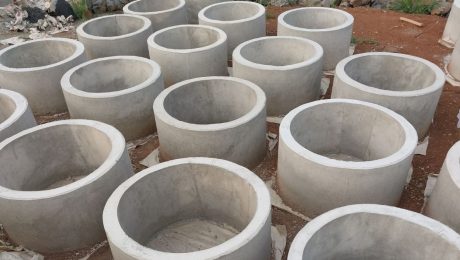
- Tank Size and Capacity: Concrete septic tanks come in a range of sizes, typically from 2,000 to 5,000 litres for residential applications. Naturally, larger tanks cost more, both in materials and transport.
- Installation Requirements: The cost of installation can vary depending on access to the site, soil conditions, excavation depth, and labour. A more complex site setup or need for crane assistance will increase costs.
- Delivery and Transport: Due to their weight, concrete tanks require special transport. Delivery distance and whether crane placement is needed can affect final pricing.
- Custom Features: Some projects require dual-chamber designs, inlet and outlet filters, or access risers. Each of these add-ons contributes to the overall cost.
- Council Requirements: Depending on your local council regulations in Queensland, additional fittings or documentation may be needed, which can impact installation and compliance costs.
Concrete Septic Tank Prices vs Plastic & Fibreglass at a Glance
Below is a guide to concrete septic tanks prices versus alternative materials, supply-only, for a standard residential 3,000L tank. Full install septic tank cost adds $3,000–$8,000 on top depending on site conditions. Material → Supply price → Lifespan → Best for • Concrete (precast) → $2,000–$5,000 → 40+ years → Permanent residential, high-water-table sites • Polyethylene (plastic) → $1,200–$2,500 → 15–25 years → Light-duty, easy-access • Fibreglass → $1,400–$3,000 → 20–30 years → Corrosion-prone soils For a site-specific quote on concrete septic tank cost — including delivery and installation — contact Specialty Precast. Long-Term Value of Concrete Septic Tanks While the initial investment in a concrete septic tank might be higher than that of other materials, its long-term value is often significantly better:- Durability: Concrete tanks can last 40 years or more with proper installation and minimal maintenance, far exceeding the average lifespan of plastic tanks.
- Minimal Maintenance: Concrete’s strength and resistance to environmental factors means fewer repairs or replacements over the tank’s lifespan.
- Environmental Stability: Concrete tanks remain stable underground, resisting floatation, shifting, or collapse in areas with fluctuating water tables or heavy rainfall.
- Higher Capacity Options: Concrete can be poured or precast to meet large capacity requirements, making it suitable for larger homes or commercial projects.
Frequently Asked Questions
How much does a septic tank cost in Australia?
A standard concrete septic tank costs $2,000–$5,000 supply only, with a fully installed concrete septic system landing $5,000–$13,000 once excavation, delivery, crane placement, and pipework are factored in. Final pricing depends on tank capacity (2,000–5,000L for residential), site access, and council compliance requirements.How much are septic systems including installation?
A complete residential septic system in Australia — concrete tank, distribution box, absorption trench or evapotranspiration bed, and full install — typically costs $8,000–$18,000. Concrete septic tanks prices sit at the higher end on supply, but lower lifetime cost makes the total system price competitive against polyethylene or fibreglass over a 30+ year horizon.What is the install septic tank cost on a difficult-access site?
The install septic tank cost rises significantly on tight or sloped sites. A straightforward suburban install might run $3,000–$5,000 in labour and excavation; a rural site requiring long crane reach, rock excavation, or extensive pipework can push installation alone to $6,000–$10,000. We provide an itemised quote covering supply, delivery, crane, excavation, and compliance separately.How much for septic tank installation on a new build?
How much for septic tank installation on a new build typically ranges $4,000–$8,000 on top of the tank supply cost, assuming reasonable site access. New septic tanks cost more on rural blocks where extended trenching or pump-out arrangements are needed. We coordinate directly with your builder to schedule delivery and install in line with site readiness.- Published in Precast Concrete
Box Culvert Explained: Precast Concrete Culverts for Drainage Systems
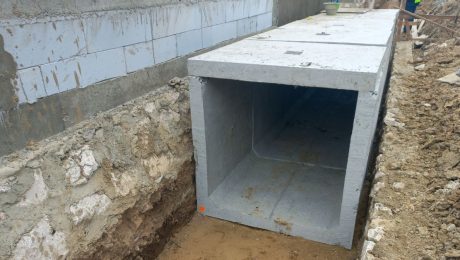
- Structure: Most box culverts consist of a base slab, two vertical walls, and a top slab. This four-sided shape allows them to manage both horizontal and vertical loads efficiently.
- Shape: The rectangular design provides a large hydraulic opening, allowing for the fast movement of water through the system while reducing the risk of blockages.
- Materials: Precast concrete is the most common material, offering superior strength, durability, and consistency. It also allows for rapid on-site installation, saving time and labour.
- Load-Bearing Capacity: Box culverts are engineered to support heavy loads, making them suitable for installation under roads, highways, and even rail corridors.
- Stormwater Drainage: Their high flow capacity makes them ideal for stormwater management systems, helping to direct excess water away from urban or low-lying areas.
- Road and Highway Crossings: Installed beneath roads, they provide essential drainage while supporting traffic loads above, reducing the risk of flooding and road damage.
- Rail Infrastructure: Box culverts offer the durability and strength needed to support rail lines while allowing efficient drainage underneath.
- Flood Control Projects: In flood-prone areas, box culverts are installed to quickly convey runoff and reduce surface water buildup.
- Agricultural and Rural Applications: Used in farm access roads and culvert crossings, they allow for reliable water flow while maintaining access routes.
- High Durability: Made from reinforced concrete, box culverts are highly resistant to corrosion, erosion, and environmental degradation, offering decades of reliable performance.
- Fast and Easy Installation: Precast units arrive ready to install, significantly reducing on-site construction time and minimising traffic disruptions on road and rail projects.
- Load-Bearing Strength: Engineered to handle the weight of vehicles, trains, and heavy equipment, box culverts are suitable for a wide range of structural needs.
- Minimal Maintenance: Once installed, box culverts require minimal upkeep, especially when compared to metal or plastic alternatives.
- Customisable Design: They can be designed to accommodate various widths, heights, and load requirements, making them ideal for projects with unique specifications.
- Environmental Compatibility: Their large open shape helps support aquatic life movement and water flow continuity in environmentally sensitive areas.
What is a box culvert used for?
A box culvert is a rectangular precast concrete structure used to channel stormwater, creek flow, or floodwater beneath roads, railways, and access embankments. Box culverts are the preferred drainage culvert format wherever high water flow combines with heavy load above — particularly on highway crossings, rail corridors, and large stormwater networks across South East Queensland.What is the difference between a culvert and a drain?
A drain is a general term for any channel that moves water; a culvert is a specific structure (pipe or box) that carries a drain beneath an obstruction such as a road. So every culvert is a drain, but not every drain is a culvert. A culvert drain is also the term used for the surface drainage feeding into the culvert itself.What size precast concrete culvert do I need?
Precast concrete culvert sizing is driven by catchment area, design flow rate, and the load above. For typical rural driveway crossings, a 600–1200mm pipe culvert is enough; for highway and stormwater applications, box culverts ranging 1200×600mm up to 3600×3000mm (and multi-cell installations beyond) are common. Send your engineer’s hydraulic and structural specs to Specialty Precast for a quoted supply.- Published in Precast Concrete
The Lifespan of Concrete Septic Tanks: What to Expect
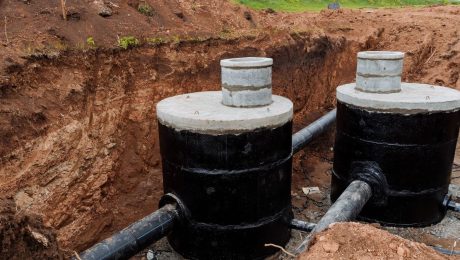
Factors Affecting the Longevity of Concrete Septic Tanks
- Material Quality and Manufacturing
- High-Grade Concrete Mix: Tanks cast with the right water-cement ratio and aggregates withstand underground pressure more effectively.
- Reinforcement: Steel rebar or wire mesh fortifies the tank walls against cracking.
- Proper Curing: Adequate curing time in the factory yard ensures the concrete achieves optimal strength before installation.
- Installation Practices
- Correct Leveling and Bedding: The tank base must be stable, preferably on a sand or gravel bed that supports the weight evenly and reduces potential shifts.
- Sealing Joints: Any access ports or lids need watertight seals to deter infiltration from ground or surface water.
- Soil Conditions: Free-draining soil that avoids constant moisture around the tank can reduce external erosion or freeze-thaw stresses.
- Site Conditions
- Groundwater Levels: Constant submersion in high groundwater can accelerate wear if the tank surface is not well-sealed.
- Climate: Freeze-thaw cycles in colder regions might crack poorly made or installed tanks. Meanwhile, heavily corrosive soil or high salt content can degrade concrete over time.
- Maintenance Routines
- Regular Pumping: Timely sludge removal prevents overflow or backups that can strain tank walls and pipes.
- Avoiding Harsh Chemicals: Continuous flushing of strong chemicals can erode or compromise the concrete liner, reducing structural integrity.
Typical Lifespan of Concrete vs. Other Materials
Concrete Septic Tanks- Average Lifespan: 30 to 50 years, possibly extending to 60 or more with proper installation and care.
- Durability: Resists buoyancy, ground pressure, and moderate chemical exposure.
- Pros: Minimal risk of floating in high water tables, robust structure, less prone to damage from soil shifts.
- Average Lifespan: Around 20 to 30 years under normal conditions.
- Pros: Lightweight, easier to transport and install, good resistance to rust or chemical reaction.
- Cons: More susceptible to cracking if soil shifts or external loads aren’t correctly supported. High groundwater can cause these tanks to float if not anchored or filled properly.
- Average Lifespan: 15 to 20 years if coated or well-protected, but can corrode faster if left unprotected or exposed to damp, corrosive soil.
- Pros: Initially strong and easy to install.
- Cons: Risk of rust and limited lifespan in humid or acidic ground conditions, demanding frequent checks.
Maintenance Tips to Extend the Lifespan
- Regular Pumping and Inspection
- Frequency: Every 3–5 years, or as recommended by local regulations and your tank’s size.
- Benefits: Removes accumulated sludge, reducing strain on tank walls and preventing overflow into leach fields.
- Mindful Household Habits
- Limit Harsh Chemicals: Overuse of drain cleaners, bleach, or paint thinners can degrade concrete and upset bacterial balance in the tank.
- Manage Solid Waste: Avoid flushing cooking grease or non-degradable items (wipes, feminine hygiene products) that can clog and stress the system.
- Protect the Drain Field
- Landscape Wisely: Plant trees or shrubs with deep roots far away, preventing root intrusion that can crack lines or the tank.
- Prevent Heavy Traffic: Driving or parking over the septic area compresses soil and may damage the tank or pipes.
- Periodic Professional Check-Ups
- Structural Assessment: A qualified septic or plumbing expert can spot emerging cracks, infiltration, or defective seals before they evolve into bigger problems.
- Chemical Treatments: If recommended, using enzyme or bacterial additives can help maintain a healthy microbial environment, though consult a professional for best practices.
- Published in Precast Concrete
Are Precast Concrete Walls Worth the Investment?

Factors Influencing Cost
1. Customisation and Complexity
Design and Shape- Precast elements arrive fully formed, so transport and cranage are key variables when assessing “are precast concrete walls expensive”. Larger, heavier panels can lift delivery costs, and cranes/specialist crews may be required for accurate placement.
- Thicker panels or those with heavy steel reinforcement (like double cages) cost more to produce. These might be necessary for walls that support significant loads or in high-security applications.
2. Installation Requirements
Transport and Handling- Precast elements are delivered fully formed, so shipping large, heavy panels can incur higher transport fees.
- A crane or specialised equipment is often required to unload and position each panel accurately.
- The site must be ready to accommodate a rapid install. Although labour hours on-site can be less than cast-in-place methods, you might pay more upfront for the necessary machinery and skilled operators.
3. Material Quality
Type of Concrete Mix- High-grade concrete with additives or fibres might cost more but offers better durability and resistance to cracking.
- Some suppliers offer eco-friendly or lightweight mixes, which may further affect pricing.
- Decorative surface treatments (e.g., acid-etched, polished, or coloured concrete) enhance aesthetics but add manufacturing steps.
- Special coatings or sealants can protect against moisture and staining, boosting longevity.
Comparing Precast Walls with Other Materials
Wondering “are precast concrete walls expensive compared with masonry, timber or cast-in-place?” Upfront, they can be—but the advantages below often tilt total cost of ownership in precast’s favour:- Masonry Blocks
- Pros: Lower upfront cost, widely available.
- Cons: Installation is labour-intensive, potential for inconsistent mortar joints, lower structural performance in certain high-load or seismic conditions.
- Timber Framing
- Pros: Less weight, simpler tools needed for construction.
- Cons: Susceptible to rot, termites, and requires ongoing maintenance or treatment.
- Cast-in-Place Concrete
- Pros: Familiar method, effective for large monolithic pours.
- Cons: Dependent on weather conditions, requires formwork setup and more on-site labour, which can extend construction timelines.
Long-Term Value of Precast Concrete Walls
1. Durability and Strength
- Extended Lifespan: Properly manufactured precast can last decades with minimal upkeep, thanks to consistent curing conditions in the factory.
- Resilience: Precast panels often boast impressive load-bearing capacity and are resistant to fire, rot, and pests.
2. Maintenance Savings
- Minimal Repairs: Precast’s uniform density and controlled curing reduce the risk of cracks.
- Less Frequent Replacement: Because panels are robust, you likely won’t face major repairs or replacements for many years.
3. Energy Efficiency
- Thermal Mass: Concrete helps regulate indoor temperatures, leading to potential energy savings in heating or cooling.
- Insulation Integrations: Modern precast can incorporate insulation layers within the panel, boosting R-values without extra installations.
4. Project Speed and Reduced Labour
- Faster Construction: Panels arrive on-site ready to install, minimising delays tied to weather or lengthy cure times.
- Lower Labour Costs Long-Term: Quick installation cuts workforce needs, although initial crane hire and skilled labour might be higher for a short period.
- Published in Precast Concrete
The Different Types of Stormwater Drainage Systems and Essential Precast Concrete Components
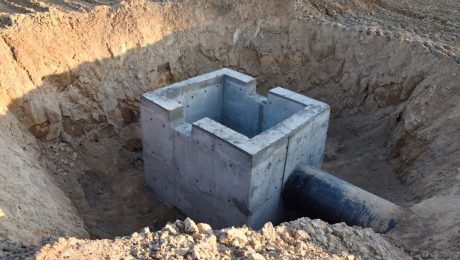
Types of Stormwater Drainage Systems
1. Open Channel Systems
What Are They? Open channels are visible, above-ground pathways—such as ditches or artificially lined channels—that guide runoff from one area to another. Unlike pipes, these channels are open to the atmosphere, making them easier to inspect and maintain. Benefits:- High Flow Capacity: Large open channels can handle substantial volumes of water, especially when lined with durable materials like precast concrete.
- Visual Inspection: Because they’re uncovered, it’s straightforward to identify blockages or sediment buildup.
- Long-Lasting Channel Liners: Precast concrete sections can form robust channel walls, reducing erosion and the risk of collapse.
- Customisable Dimensions: Factories can produce channel components in various widths and depths, matching project flow requirements precisely.
2. Pipe Drainage Systems
What Are They? Pipe drainage systems are underground networks that transport stormwater through a series of connected tubes. This is one of the most common drainage methods in urban settings, keeping roads clear and preventing pooling on streets. Benefits:- Space-Efficient: Burying pipes below ground preserves surface land for roads, buildings, and landscaping.
- Protected Flow: With no exposure to the elements, there’s less risk of pollution, debris, or freezing issues under normal conditions.
- Concrete Pipes: Precast concrete pipes boast excellent strength and long lifespans, often exceeding those of alternative materials like plastic or steel.
- Minimal Leakage: Well-made concrete joints reduce infiltration and exfiltration, helping maintain water purity and structural integrity.
3. Box Culverts
What Are They? A box culvert is a rectangular or square-shaped drainage structure, typically large enough to accommodate high-flow scenarios. It’s commonly used under roads, railways, or other embankments where water—or even occasional vehicular traffic—must pass through. Benefits:- Load-Bearing Strength: Box culverts can support heavy traffic above, making them ideal for highways or railway crossings.
- High Flow Rates: Their wide, box-shaped interior can handle flood conditions, carrying significant volumes of stormwater or river overflow.
- Precast Box Culverts: Factory-made units enable quick installation with consistent quality.
- Seamless Connection: The culverts often have tongue-and-groove or other joint systems, easing alignment and sealing during construction.
4. Stormwater Pits and Catch Basins
What Are They? Often called stormwater pits, catch basins, or manholes, these are collection points designed to gather runoff from roads, gutters, or open channels before directing it into pipes or other drainage structures. Benefits:- Debris Management: A stormwater pit often includes a sump area to capture sediment, leaves, and debris, preventing clogs further downstream.
- Maintenance Access: Pits typically have an accessible cover, allowing inspection and cleaning of trapped materials.
- Customisation: Manufacturers can adapt pit size, inlet shapes, and cover options to match site needs.
- Structural Strength: Precast concrete ensures the pit can withstand soil pressure, traffic loads, and regular maintenance routines.
Essential Precast Concrete Components for Stormwater Drainage Systems
Now that we’ve examined the major types of stormwater systems, let’s look closer at the precast concrete pieces commonly employed to make them work:1. Precast Concrete Channels
- Longevity: Concrete is highly resistant to weathering, chemical attack, and abrasion from high-flow water.
- Uniform Quality: Factory production yields consistent dimensions and material properties, simplifying alignment and reducing on-site labour.
2. Concrete Pipes
- Precision Manufacturing: Precast pipes come in standard diameters and lengths, allowing easy design and modular construction.
- Versatility: Whether for municipal storm drains or commercial developments, concrete pipes adapt to varied flow requirements.
3. Box Culverts and Inlets
- Swift Installation: Precast culverts arrive ready to be set in place, drastically cutting project timelines.
- Durability: Ideal for heavy traffic and areas prone to flash floods, supporting both water flow and over-road traffic.
4. Precast Stormwater Pits
- Robust Construction: High compressive strength ensures the pit walls and base resist ground movement or cracking.
- Easy Maintenance: Removable covers and uniform interior surfaces simplify debris removal and inspections.
How to Choose the Right Precast Concrete Components for Your Project
1. Assess Drainage Requirements
- Flow Rate: Estimate the peak volume of water, factoring in local rainfall and catchment area. This data drives decisions on pipe diameter or channel size.
- Site Conditions: Soil type, slope, and existing utilities affect the feasibility of certain drainage layouts.
2. Consider Environmental Factors
- Corrosive Environments: High salt content or industrial pollution might call for special coatings or admixtures in the concrete.
- Local Regulations: Councils often have specific mandates for stormwater runoff volume, water quality, or discharge points.
3. Evaluate Installation Constraints
- Access: If the site is limited in space or difficult to reach, modular precast components can help streamline construction.
- Timeframe: Precast solutions offer faster installation compared to on-site pours, which is beneficial for projects with tight deadlines or weather limitations.
4. Seek Expert Advice
Engineers, contractors, or precast concrete manufacturers can guide you in optimising the design—matching the system type to your site’s unique needs. Their recommendations can help minimise cost overruns while ensuring regulatory compliance and long-term performance. What is a stormwater drainage system and why is precast concrete pivotal to its success? In essence, it’s an infrastructure network—ranging from open channels and underground pipes to box culverts and collection pits—designed to control water runoff, mitigate flooding, and protect both urban and rural properties. Precast concrete components shine in this role due to their high durability, ease of installation, and customisability. By choosing robust precast channels, pipes, box culverts, and stormwater pits tailored to your site’s rainfall, soil conditions, and traffic loads, you can achieve efficient water flow and easy maintenance. Ultimately, investing in quality precast products not only ensures longevity but also safeguards communities from water-related hazards for years to come.- Published in Precast Concrete
Why Concrete Septic Tanks Are Superior to Plastic Alternatives
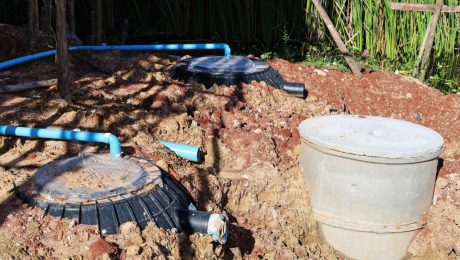
Durability and Strength of Concrete Septic Tanks
Withstanding Ground Pressure
Concrete septic tanks are known for their robust construction. The inherent weight and solidity of concrete help these tanks withstand ground pressure, soil shifts, and the natural freeze-thaw cycles experienced in many climates. This resilience contrasts sharply with plastic tanks, which can warp or collapse if the surrounding soil settles unevenly or if groundwater levels fluctuate significantly.Resistance to Cracking
Plastic tanks are more prone to stress cracking and deformations—especially when exposed to extreme temperatures or sudden impacts. Concrete, on the other hand, can better resist cracking because it’s a rigid, reinforced structure. Properly manufactured and installed concrete tanks distribute stress more evenly, resulting in fewer structural vulnerabilities over time.Longevity
One of the standout reasons why concrete septic tanks are better than plastic is their impressive lifespan. High-quality concrete tanks can last for decades—often outlasting the property’s ownership. In contrast, plastic tanks may degrade under UV exposure (if any part is above ground), chemical reactions, or ground movement, potentially cutting short their operational life.Environmental Benefits of Concrete
Sustainability of Materials
Concrete production can incorporate recycled materials such as fly ash and slag, making it more sustainable than many people realise. Plus, unlike plastic, which is petroleum-based and may leach chemicals over time, concrete is an inert material that doesn’t release harmful substances into the surrounding soil or groundwater.Less Prone to Damage
Because concrete septic tanks are less susceptible to cracks and punctures, they reduce the risk of leaks that can harm local ecosystems. A compromised plastic tank might release contaminants, leading to soil and water pollution. Concrete’s inherent sturdiness helps maintain a closed, secure environment for waste processing.Lower Environmental Impact Over Time
The robustness of concrete tanks also means fewer repairs or replacements, translating to lower material consumption throughout the tank’s life. When you consider the long-term environmental footprint, concrete often comes out on top, especially in regions with fluctuating ground conditions or harsh climates.Maintenance and Repair Needs
Minimal Upkeep
Concrete tanks generally require less frequent maintenance than their plastic counterparts. Because they’re built to withstand external pressures and internal load changes, the chance of developing leaks or structural damage is significantly lower.Plastic’s Vulnerabilities
Plastic septic tanks can suffer from several issues:- Bulging or Warping: Ground pressure or improper backfill can deform the tank, leading to alignment issues and eventual leaks.
- Cracking from Impact: Even minor impacts during installation or from heavy machinery passing overhead can cause damage.
- Higher Risk of Floating: In high water table areas, a lightweight plastic tank can shift or float if not anchored properly.
Cost and Long-Term Value
Higher Initial Cost of Concrete
It’s true that concrete septic tanks generally come with a higher upfront cost compared to plastic. The manufacturing process is more involved, and transportation can be pricier due to the tank’s weight. However, this initial investment is balanced by the tank’s durability.Longevity Equals Savings
Because concrete tanks last for decades with minimal maintenance, the lifetime cost can be significantly lower than plastic tanks, which may need repairs or replacements sooner. Over the long haul, the reliability and reduced upkeep of concrete often translate into substantial savings—both financially and environmentally.Boosting Property Value
A durable, well-maintained septic system can also enhance your property’s resale appeal. Potential buyers may see the presence of a concrete septic tank as an asset, knowing it’s less likely to fail and more likely to meet local regulations for waste management. When evaluating are concrete septic tanks better than plastic, the answer often points to concrete as the superior choice for most properties. Its durability, resistance to cracking, and minimal maintenance requirements ensure a long-lasting waste management solution. Add in the environmental benefits—like reduced risk of leaks and chemical leaching—and it’s clear why more homeowners, businesses, and municipalities turn to concrete. While the initial investment may be higher, concrete septic tanks deliver greater reliability and a lower total cost of ownership over time. For anyone seeking a dependable, eco-friendly, and cost-effective waste management system, concrete stands out as the premium option.- Published in Precast Concrete
The Benefits of Using Precast Concrete in Construction Projects

Key Benefits of Precast Concrete — and why precast concrete is used in construction across Australia
1. Durability
One of the standout reasons why precast concrete is used in construction is its exceptional durability. Factory casting ensures consistent mixing, curing, and finishing, leading to components that resist weathering, corrosion, and wear. This longevity is vital in projects like bridges, tunnels, and parking garages, where materials must withstand heavy loads and harsh conditions.2. Sustainability
Precast concrete production often adheres to environmentally friendly practices:- Reduced Waste: Off-site production allows precise measurement of materials, minimising on-site leftovers and disposal.
- Energy Efficiency: The thermal mass of concrete helps regulate indoor temperatures, reducing heating and cooling costs.
- Less Site Disturbance: With large concrete pieces created elsewhere, there’s less dust and noise at the construction site, lowering the project’s environmental footprint.
3. Customisation
Contrary to popular belief, precast concrete is not limited to standard shapes and sizes. Manufacturers can create custom forms and finishes to match architectural visions—from decorative wall panels to unique facade textures. This versatility means precast elements can be tailored to aesthetic, functional, or structural requirements, expanding design possibilities.4. Quick Installation
Time is money in construction — another reason why precast concrete is used in construction is rapid on-site assembly:- Fewer Delays: Off-site fabrication means weather disruptions rarely affect production timelines.
- Reduced Labour: Precast components arrive ready to install, cutting down on on-site pouring, curing, and formwork.
- Enhanced Safety: With fewer workers and tasks required on-site, the risk of accidents decreases.
Applications of Precast Concrete in Construction
Precast concrete’s adaptability makes it suitable for a wide range of construction applications:- Wall Panels
- Ideal for both structural walls and cladding systems, offering excellent insulation and aesthetic versatility.
- Flooring Systems
- Precast concrete slabs and beams provide sturdy, uniform floors with minimal on-site work.
- Hollow-core slabs further reduce weight and material use, aiding in efficient load distribution.
- Infrastructure Projects
- Commonly used in bridges, culverts, and road barriers, where consistent quality and speed of installation are paramount.
- Resistant to weather damage, reducing maintenance needs over the structure’s lifespan.
- Parking Structures
- Precast concrete components can rapidly form multi-storey car parks, delivering robust, low-maintenance solutions.
Cost Efficiency and Long-Term Performance
While initial material and transportation costs for precast concrete may be higher than site-cast options, the long-term savings often outweigh these expenses. By reducing construction time, labour costs, and on-site complexities, precast systems can lower total project budgets. Additionally, the material’s inherent durability minimises future repairs or replacements—a critical factor for any structure expected to last decades. Precast concrete also boosts property value by offering a sturdy, low-maintenance solution that can withstand harsh environmental conditions. In high-traffic or high-demand scenarios (like commercial buildings or public infrastructure), the extended lifespan and reduced downtime for maintenance make precast concrete a highly cost-effective choice. The widespread adoption of precast concrete in modern construction is no accident. Why precast concrete is used in construction boils down to its blend of durability, sustainability, design flexibility, and rapid installation—all of which can save time and money. From innovative architectural designs to massive infrastructure projects, precast concrete enables builders and designers to meet demanding specifications without compromising on quality or safety. Whether it’s forming durable wall panels, flooring systems, or large-scale bridges, precast concrete offers a reliable, future-proof solution that benefits property owners, occupants, and the environment. By choosing precast over traditional site-cast methods, projects can be completed faster, with fewer resources and greater longevity—making it a worthwhile investment for construction professionals and stakeholders alike.- Published in Precast Concrete
Why Use Precast Concrete Safety Barriers

Advantages of Using Precast Concrete Safety Barriers
Want to know more about the many benefits of using precast concrete safety barriers on your project. Here, we’ll break it down in further detail.Many Uses
There are many ways in which precast concrete safety barriers can be used. Some of these include: – traffic management – event management – prevent crashes or hazards – exclusion zones – maintain securityTemporary or Permanent
Precast concrete safety barriers are a reliable choice because they offer either a permanent or temporary solution to your needs. And they can be adapted to your needs as required.Weather Resistant
Plastic cones and safety barriers are brightly coloured but truth be told, they aren’t that durable. Precast concrete is one of the sturdiest materials around and can last decades? Can you say the same about plastic?Reduces Fly Tipping
Worried about fly tipping (AKA illegal dumping). This is something you can avoid when you choose precast concrete safety barriers to provide you with the protection and security you need.Sustainable & Thermally Insulated
Precast concrete is highly regarded for its environmentally friendly properties. Not only is there reduced waste during the manufacturing process, it is also 100% recyclable and thermally insulated to suit a variety of temperature-controlled environments.Counterweight
Another advantage of using precast concrete safety barriers on your construction project is their dual purpose. If needed, they can be relied upon as counterweights.Easy to Transport & Difficult to Move
While precast concrete is easy to transport with the right equipment, it’s not as easy to move once it’s in place. This is an advantage particularly when compared to plastic safety barriers, as it reduces your chances of vandalism and you’re also less likely to have people move or steal your barriers.High Quality & Aesthetically Pleasing
Sure, plastic safety barriers and light poles are effective. But are they high quality? When it comes down to it, they can be easily knocked over or damaged (not to mention the fact that they don’t look that great). On the other hand, precast concrete is manufactured in accordance with safety regulations with each piece checked for quality control before it gets to your site. And it is aesthetically pleasing.Where to Go for Quality Civil Precast Concrete
When choosing precast concrete – especially precast concrete safety barriers – you need to be certain that what you’re getting is of a high standard. This is something we can guarantee when you work with us. With over 40 years in the industry working on precast concrete designs suited to a range of applications and usages, you simply can’t go past our expert team at Specialty Precast. Find out more about the reasons why you should use precast concrete safety barriers or get started on your design by contacting us today.- Published in Precast Concrete